 EN
EN

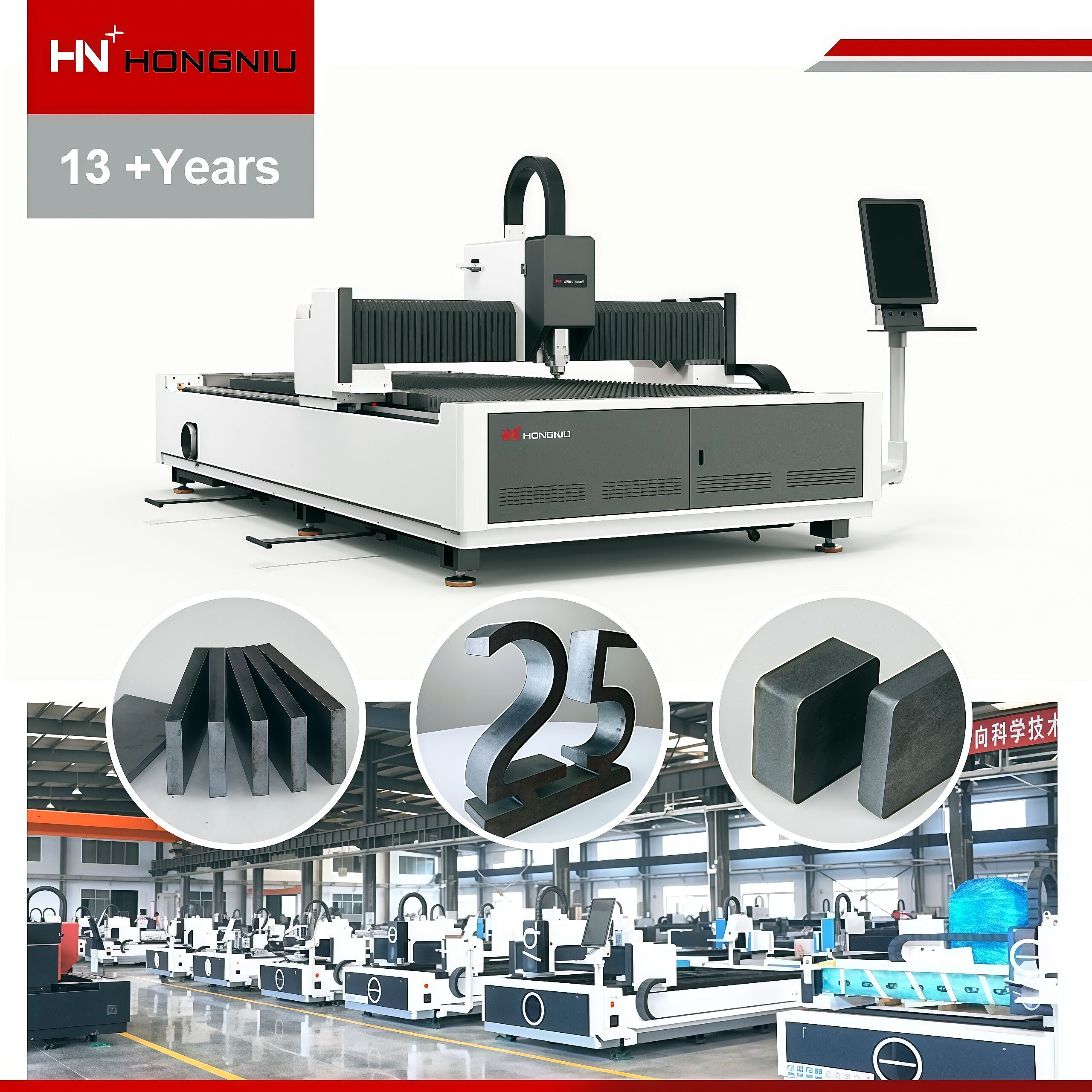
The landscape of modern manufacturing has been fundamentally altered by the advent of high-performance thermal cutting technologies. Among these, the Metal Laser Cutter stands out as the definitive tool for industries requiring microscopic accuracy and high-volume consistency. Unlike traditional mechanical cutting methods that rely on physical contact and blade pressure, laser technology utilizes a concentrated beam of light to melt, burn, or vaporize material with surgical intent.
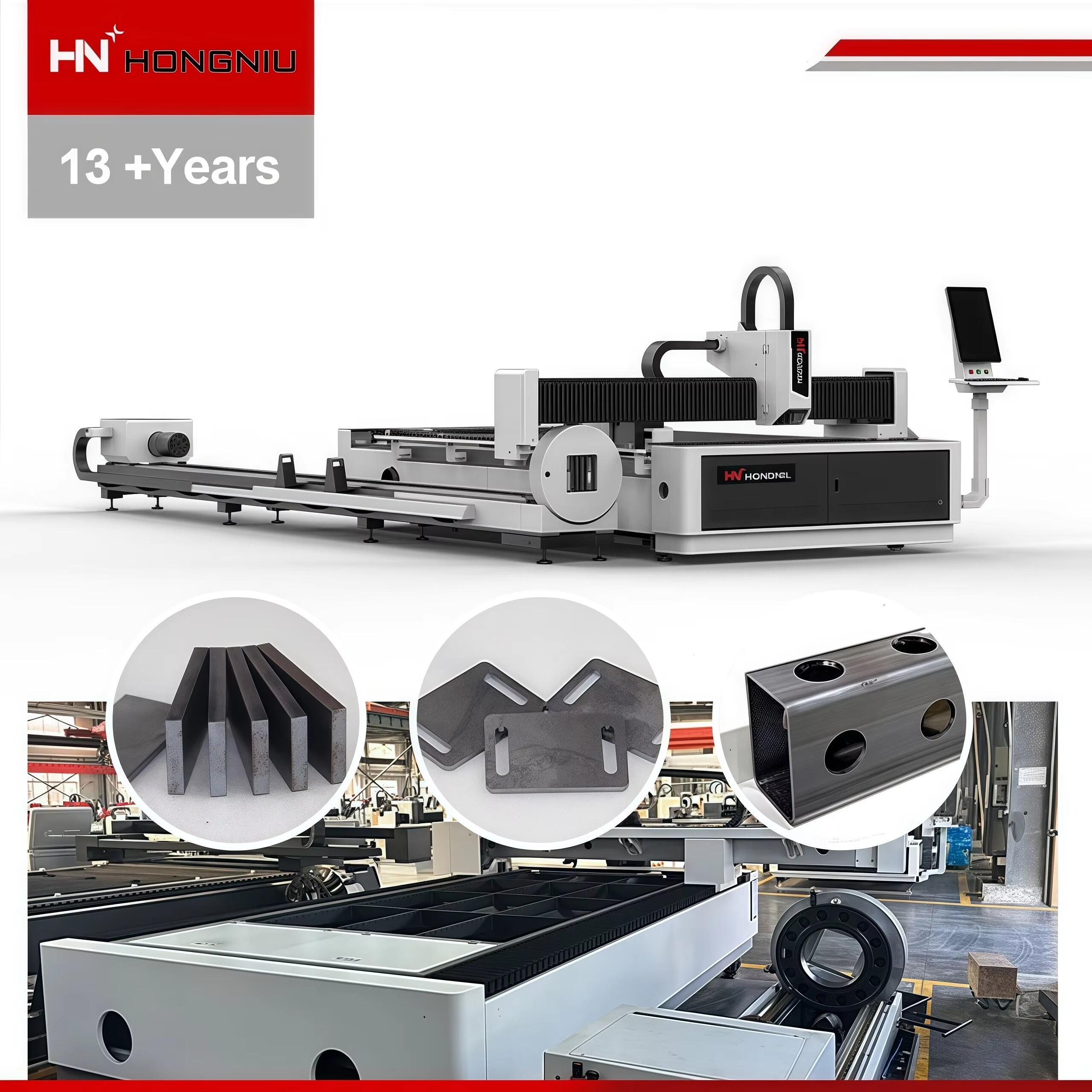
In the realm of precision metal processing, the shift toward laser systems isn't just a trend—it is a technical necessity. As designs become more intricate and tolerances tighten, the limitations of plasma or waterjet cutting become apparent. This article explores how a Metal Laser Cutter elevates the standard of metal fabrication, ensuring that every component meets the rigorous demands of sectors ranging from aerospace to medical device manufacturing.
The Physics of Precision in Laser Cutting
The core advantage of a Metal Laser Cutter lies in its ability to focus a massive amount of energy into an incredibly small spot diameter. This high power density allows for a narrow "kerf"—the width of the cut—which is significantly smaller than what is achievable with mechanical saws or punches. Because the laser is a non-contact tool, there is no mechanical force applied to the workpiece. This eliminates the risk of material deformation or "bowing," which is a common issue when processing thin-gauge sheets.
Furthermore, modern fiber laser systems utilize advanced CNC (Computer Numerical Control) software to guide the beam. This digital integration ensures that the path of the laser is followed with a repeatability that human operators or manual machines simply cannot match. The integration of high-speed sensors also allows the machine to adjust the focal point in real-time, compensating for any slight irregularities in the material surface.
Key Performance Indicators: Laser vs. Traditional Methods
To understand the tangible benefits of integrating a Metal Laser Cutter into a production line, one must look at the technical specifications and outcomes compared to legacy processes. The following table highlights the primary differences in performance metrics:
Comparison of Metal Processing Technologies
| Feature | Metal Laser Cutter (Fiber) | Plasma Cutting | CNC Milling / Punching |
| Precision/Tolerance | ±0.05mm to ±0.1mm | ±0.5mm to ±1.0mm | ±0.1mm to ±0.2mm |
| Heat Affected Zone (HAZ) | Minimal | Large | None (but mechanical stress) |
| Edge Quality | Smooth, Burr-free | Rough, requires grinding | Variable |
| Intricate Detail Cap. | Excellent | Poor | Moderate |
| Material Waste | Low (tight nesting) | High | Moderate |
| Processing Speed | Very High (Thin/Med) | High (Thick only) | Low to Moderate |
Reducing the Heat Affected Zone (HAZ)
One of the most critical factors in precision metal processing is the management of thermal energy. When metal is heated, its molecular structure can change, leading to hardening, brittleness, or discoloration. This area of altered material is known as the Heat Affected Zone (HAZ). Traditional thermal cutting methods, like plasma, create a wide HAZ because the energy is less focused.
A high-quality Metal Laser Cutter minimizes the HAZ by moving at high speeds and using a highly shielded gas assist (such as Nitrogen or Oxygen). Nitrogen, in particular, acts as a cooling agent and prevents oxidation, resulting in a clean, "bright" edge that requires no secondary finishing. For industries like electronics or high-end kitchenware, this ability to produce a finished part directly from the machine significantly reduces labor costs and lead times.
Versatility Across Material Grades
The precision of a laser system is not limited to standard carbon steel. Modern oscillators are tuned to handle a vast array of reflective and non-reflective alloys. In specialized processing environments, the ability to switch between materials without changing physical tools is a massive operational advantage.
Stainless Steel: The laser provides a perfect finish for decorative panels and medical instruments where hygiene and aesthetics are paramount.
Aluminum Alloys: Despite its high thermal conductivity, fiber lasers can slice through aluminum with high precision, avoiding the "melting" effect often seen in slower processes.
Brass and Copper: Historically difficult for CO2 lasers, modern fiber Metal Laser Cutter units use specific wavelengths that are absorbed efficiently by yellow metals, allowing for intricate electrical component fabrication.
Carbon Steel: For heavy machinery and structural components, the laser ensures that bolt holes and interlocking tabs align perfectly every time.
Impact on Production Efficiency and Nesting
Precision isn't just about the quality of a single cut; it’s also about the precision of material utilization. Advanced CAD/CAM software paired with a laser cutter allows for "nesting"—the process of arranging parts on a metal sheet to minimize scrap. Because the laser kerf is so thin, parts can be placed mere millimeters apart.
This level of precision in layout reduces the "cost per part" significantly. In high-volume production, saving even 5% of material across hundreds of sheets translates to substantial annual savings. Additionally, because the laser can cut complex geometries, engineers can design "tab-and-slot" assemblies. These assemblies fit together like a puzzle, reducing the need for expensive jigs and fixtures during the welding or assembly stage.
Maintenance and Long-term Accuracy
The long-term precision of a metal processing tool depends on its wear and tear. Conventional tools dull over time, leading to a gradual decline in cut quality and dimensional accuracy. A laser cutter, specifically a fiber-based system, has no moving parts in the light-generating source. While the nozzle and protective windows are consumables, the "tool" itself—the light—never gets dull.
This stability ensures that the thousandth part produced is identical to the first. For manufacturers operating under ISO quality standards, this level of consistency is vital for certification and client trust. The automated calibration features found in high-end machines further ensure that the beam alignment remains perfect, even during 24/7 operations.
Frequently Asked Questions (FAQ)
What is the maximum thickness a Metal Laser Cutter can handle?
The thickness capacity depends on the power of the laser source. A 3kW fiber laser can typically handle up to 20mm of carbon steel, while high-power 12kW or 20kW systems can process materials up to 50mm thick with high precision.
Does laser cutting require secondary processing like sanding or grinding?
In most cases, no. One of the primary reasons for choosing a laser is the "ready-to-use" edge quality. If the correct assist gas (like Nitrogen) is used, the edge is free of dross and oxidation, making it ready for immediate welding or powder coating.
How does the laser handle reflective metals like copper?
Modern fiber lasers are designed with "back-reflection" protection. Unlike older CO2 technology, the wavelength of a fiber laser is absorbed more easily by reflective metals, allowing for stable and precise cutting of copper, brass, and gold.
Is laser cutting cost-effective for small production runs?
Yes. Because there are no physical dies or custom tools to create (unlike stamping or punching), the setup time is minimal. You simply upload a digital DXF or DWG file, and the machine is ready to cut, making it ideal for both prototyping and mass production.
How does environmental humidity affect precision?
Most professional laser cutting systems are equipped with chilled cabinets and filtered air systems to protect the optics. While extreme humidity can affect some components, the internal climate control of the machine ensures the beam remains stable regardless of external factory conditions.
Table of Contents
- The Physics of Precision in Laser Cutting
- Key Performance Indicators: Laser vs. Traditional Methods
- Reducing the Heat Affected Zone (HAZ)
- Versatility Across Material Grades
- Impact on Production Efficiency and Nesting
- Maintenance and Long-term Accuracy
-
Frequently Asked Questions (FAQ)
- What is the maximum thickness a Metal Laser Cutter can handle?
- Does laser cutting require secondary processing like sanding or grinding?
- How does the laser handle reflective metals like copper?
- Is laser cutting cost-effective for small production runs?
- How does environmental humidity affect precision?
