 EN
EN

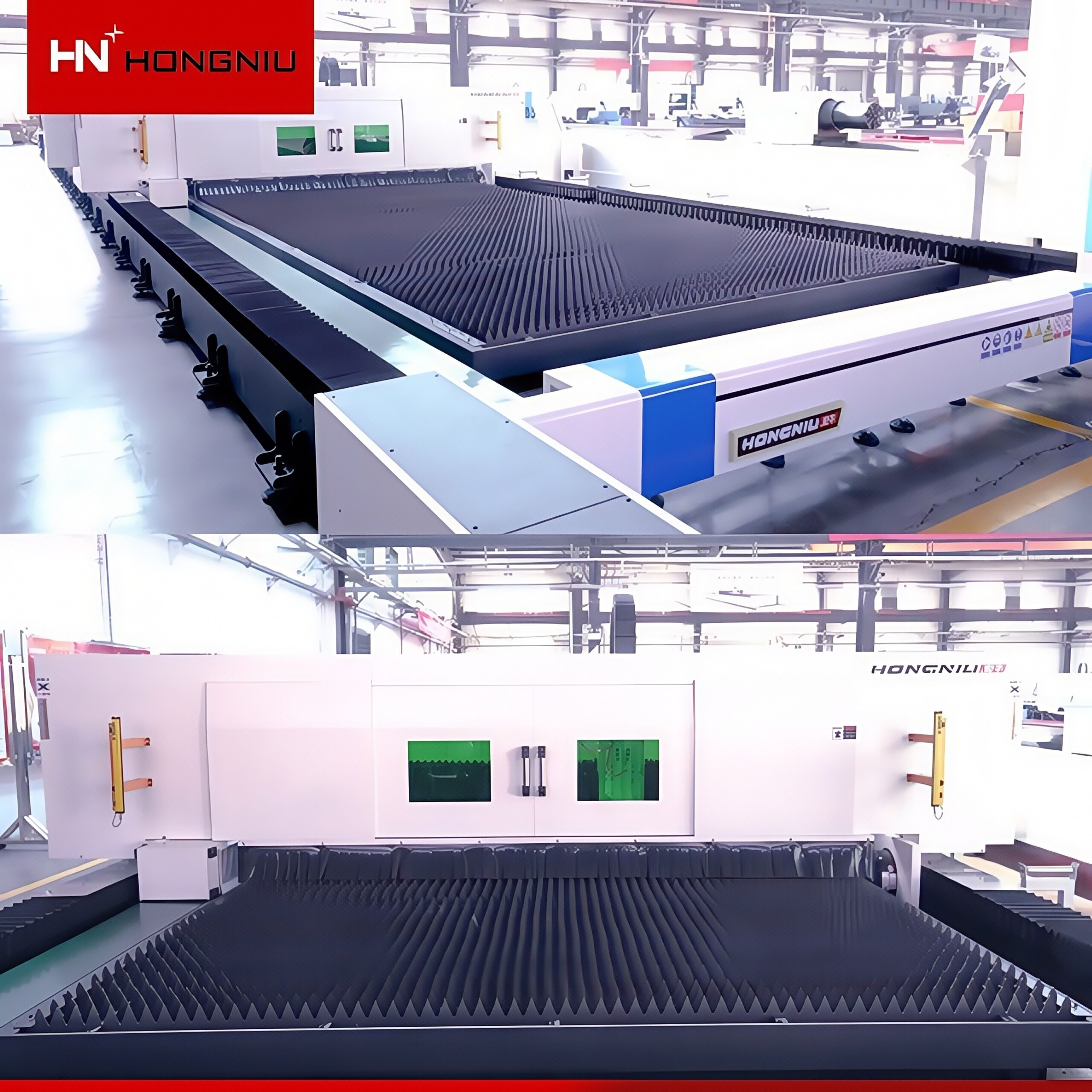
Metal fabrication businesses face a critical decision when selecting cutting technology that directly impacts production efficiency, part quality, and operational costs. While traditional plasma and flame cutting methods have served manufacturers for decades, the emergence of advanced metal laser cutting machine technology has fundamentally transformed the competitive landscape. Understanding the precise differences in cutting mechanics, material compatibility, precision capabilities, and total cost of ownership between these three technologies enables informed equipment investments that align with specific production requirements and business growth strategies.
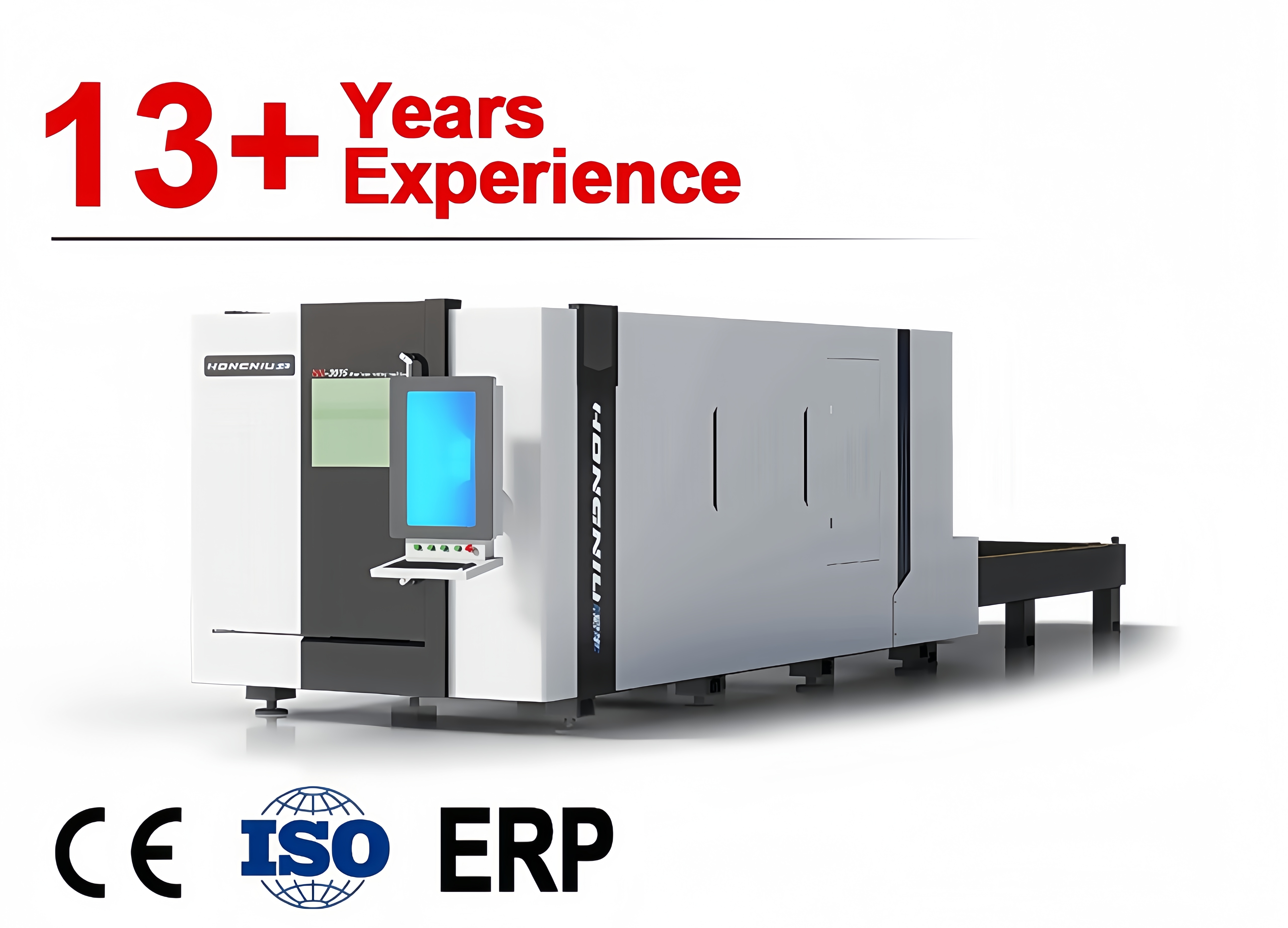
The comparison between a metal laser cutting machine and plasma or flame cutting extends beyond simple speed metrics to encompass edge quality, heat-affected zones, material thickness ranges, and downstream processing requirements. Each technology operates through distinct physical processes that produce characteristically different results across various metal types and thicknesses. Plasma cutting uses ionized gas to melt metal, flame cutting relies on combustion and oxidation, while laser cutting employs focused coherent light energy to vaporize material with minimal thermal distortion. These fundamental differences create specific advantages and limitations that determine optimal application scenarios for manufacturing operations.
Cutting Process Mechanics and Physical Principles
Laser Cutting Technology and Beam Interaction
A metal laser cutting machine generates a concentrated beam of coherent light through stimulated emission, typically using fiber laser sources in modern industrial systems. The focused laser beam delivers energy densities exceeding one megawatt per square centimeter to the workpiece surface, causing rapid localized heating that vaporizes or melts the metal. Assist gas flowing coaxially through the cutting nozzle removes molten material from the kerf while protecting the focusing lens from debris and spatter. This non-contact process eliminates mechanical force on the workpiece, enabling precise cuts without material distortion or clamping stress.
The beam quality and focusability of fiber laser sources used in contemporary metal laser cutting machine systems provide exceptional precision compared to earlier CO2 laser technology. Fiber lasers achieve beam parameter products below 3 mm-mrad, enabling tight focus spots under 0.1 millimeters in diameter. This concentrated energy delivery creates narrow kerf widths typically ranging from 0.1 to 0.3 millimeters depending on material thickness, resulting in minimal material waste and high nesting efficiency. The precise thermal input also produces heat-affected zones measuring only 0.05 to 0.15 millimeters wide in steel applications, preserving base material properties adjacent to the cut edge.
Plasma Cutting Arc Formation and Material Removal
Plasma cutting systems generate an electrical arc between an electrode and the workpiece that heats gas flowing through a constricted nozzle to plasma state temperatures exceeding 20,000 degrees Celsius. This superheated ionized gas melts the metal while the kinetic energy of the plasma jet blows molten material through the kerf. The arc attachment point moves across the workpiece as the torch traverses the programmed cutting path, creating a continuous molten zone that separates the material. Unlike the metal laser cutting machine process, plasma cutting requires electrical conductivity in the workpiece material to establish and maintain the cutting arc.
The plasma arc diameter and energy distribution create wider kerf widths ranging from 1.5 to 5 millimeters depending on amperage and material thickness. This broader thermal input produces heat-affected zones typically measuring 0.5 to 2.0 millimeters wide in steel applications. The molten material removal mechanism inherently creates more dross adhesion on the bottom cut edge compared to laser vaporization, often requiring secondary grinding operations to achieve smooth surfaces. Plasma systems excel at cutting thicker conductive metals where the higher heat input effectively penetrates material sections beyond the practical range of standard metal laser cutting machine configurations.
Flame Cutting Combustion and Oxidation Process
Oxy-fuel or flame cutting combines a fuel gas with pure oxygen to generate a high-temperature preheating flame that raises steel to its ignition temperature around 900 degrees Celsius. A separate oxygen jet then rapidly oxidizes the heated metal in an exothermic reaction that releases additional heat energy, creating a self-sustaining cutting process. The oxidation reaction produces iron oxide slag that the oxygen stream expels from the kerf as the torch moves along the cutting path. This chemical cutting process works exclusively on ferrous metals that support rapid oxidation, unlike the universal material compatibility of a metal laser cutting machine.
Flame cutting creates the widest kerf among the three technologies, typically ranging from 2 to 5 millimeters depending on tip size and cutting speed. The substantial thermal input produces heat-affected zones measuring 1 to 3 millimeters wide that significantly alter microstructure and hardness in the base material adjacent to the cut. The oxidation process inherently leaves a rough, scaled surface finish on cut edges that almost always requires grinding or machining before welding or assembly operations. Despite these quality limitations, flame cutting remains economically viable for thick steel plates exceeding 50 millimeters where neither plasma nor standard metal laser cutting machine systems offer competitive productivity.
Precision Capabilities and Cut Quality Comparison
Dimensional Accuracy and Tolerance Achievement
The positional accuracy and kerf width consistency of a metal laser cutting machine enable routine dimensional tolerances of ±0.05 to ±0.10 millimeters across most production applications. Advanced gantry designs with linear motor drives and optical encoder feedback systems maintain positioning repeatability within 0.03 millimeters over the entire cutting bed. The narrow, consistent kerf width produced by focused laser beams allows precise nesting optimization and predictable part dimensions without significant variation based on cutting direction or path complexity. This precision eliminates secondary machining operations for many components that proceed directly to bending, welding, or assembly processes.
Plasma cutting systems typically achieve dimensional tolerances ranging from ±0.25 to ±0.75 millimeters depending on material thickness, amperage settings, and torch height control accuracy. The broader kerf width and arc wander characteristics introduce more variation in final part dimensions compared to laser processing. High-definition plasma systems with advanced consumable designs and precision torch height controllers narrow this gap, achieving tolerances approaching ±0.15 millimeters on thin materials, though still falling short of metal laser cutting machine precision. Flame cutting offers the lowest dimensional accuracy, with typical tolerances ranging from ±0.75 to ±1.5 millimeters due to the wide kerf, thermal distortion, and manual torch height adjustment in many systems.
Edge Quality and Surface Roughness Characteristics
A metal laser cutting machine produces cut edges with surface roughness values typically ranging from 6 to 15 micrometers Ra on mild steel between 1 and 12 millimeters thick. The vaporization cutting mechanism creates clean, square edges with minimal dross adhesion and virtually no slag formation when properly optimized. The narrow heat-affected zone preserves base material hardness and microstructure immediately adjacent to the cut, eliminating the need for stress relief treatments on most components. These superior edge characteristics enable direct powder coating, welding, or assembly without intermediate grinding or finishing operations, reducing total manufacturing cycle time and labor costs.
Plasma cut edges exhibit surface roughness values ranging from 25 to 125 micrometers Ra depending on amperage, material thickness, and cutting speed. The molten material removal process creates more pronounced striations on the cut surface and typically leaves dross adhered to the bottom edge that requires removal through grinding. The bevel angle on plasma cut edges generally measures 1 to 3 degrees from perpendicular compared to less than 1 degree for laser cuts, affecting fit-up quality in welded assemblies. High-definition plasma systems minimize these quality limitations on thinner materials but cannot match the edge characteristics achieved by a metal laser cutting machine across the full thickness range.
Heat-Affected Zone Width and Metallurgical Impact
The minimal thermal input and rapid cutting speeds of a metal laser cutting machine create exceptionally narrow heat-affected zones that preserve base material properties adjacent to cut edges. Microhardness testing typically reveals affected zones measuring only 0.05 to 0.15 millimeters wide in low-carbon steel, with hardness increases limited to 50-100 HV above base material values. This minimal thermal impact eliminates distortion in precision components and preserves material formability for subsequent bending operations. Stainless steel and aluminum alloys maintain corrosion resistance and mechanical properties immediately adjacent to laser-cut edges without sensitization or precipitate dissolution concerns.
Plasma cutting produces heat-affected zones typically measuring 0.5 to 2.0 millimeters wide with more substantial hardness increases reaching 150-250 HV above base material in hardenable steels. The broader thermal input can cause distortion in thin materials and may require stress relief treatments before subsequent forming operations. Flame cutting creates the most extensive heat-affected zones, measuring 1 to 3 millimeters wide with significant grain growth and hardness variation that often necessitates normalizing heat treatment before welding or machining. These metallurgical changes increase the total processing cost and cycle time compared to parts produced on a metal laser cutting machine that proceed directly to downstream operations without thermal correction.
Material Compatibility and Thickness Range Performance
Ferrous Metal Cutting Capabilities Across Technologies
A metal laser cutting machine efficiently processes mild steel from 0.5 to 25 millimeters thick in production environments, with specialized high-power systems extending this range to 40 millimeters on thicker structural components. Cutting speeds on 10-millimeter mild steel typically reach 1.5 to 2.5 meters per minute using nitrogen assist gas for oxide-free edges or oxygen assist for faster cutting with slight oxidation. Stainless steel processing ranges from 0.3 to 20 millimeters with nitrogen assist gas maintaining bright, oxide-free cut edges suitable for food processing, pharmaceutical, and architectural applications without secondary cleaning or passivation treatments.
Plasma cutting systems handle mild steel thickness ranges from 3 to 50 millimeters economically, with air plasma cutting extending to 160 millimeters on the heaviest structural steel applications. Cutting speed advantages over laser technology emerge beyond 20-millimeter thickness where plasma maintains 0.5 to 1.2 meters per minute on heavy plate while metal laser cutting machine speeds decline substantially. Flame cutting dominates the heaviest thickness applications from 50 to 300 millimeters where the chemical oxidation process penetrates thick sections that exceed the practical capabilities of both laser and plasma technologies. The flame process cuts 100-millimeter steel plate at speeds approaching 0.3 to 0.5 meters per minute, offering the only economically viable option for heavy fabrication shops processing structural components and pressure vessel components.
Non-Ferrous Metal Processing Requirements and Limitations
Aluminum alloy processing represents a key advantage for metal laser cutting machine technology, handling thicknesses from 0.5 to 20 millimeters with nitrogen or compressed air assist gas. The high reflectivity of aluminum at laser wavelengths initially challenged earlier CO2 systems, but fiber laser technology with wavelengths around 1.06 micrometers achieves reliable absorption and stable cutting performance. Copper and brass cutting capabilities extend from 0.5 to 10 millimeters using high-power fiber lasers, serving electrical component manufacturers and decorative metalwork fabricators who require precise, burr-free edges on highly reflective materials.
Plasma cutting handles aluminum from 3 to 50 millimeters thickness effectively, though the process leaves more dross and requires more extensive edge cleaning compared to laser processing. The high thermal conductivity of aluminum demands higher amperage plasma systems to maintain adequate cutting speed and quality. Copper and brass cutting with plasma systems requires specialized high-amperage equipment and produces less consistent edge quality than achieved with a metal laser cutting machine. Flame cutting cannot process non-ferrous metals because these materials lack the exothermic oxidation reaction required to sustain the cutting process, limiting oxy-fuel equipment to ferrous metal applications exclusively.
Specialty Alloy and Coated Material Considerations
A metal laser cutting machine maintains consistent performance across specialty alloys including titanium, Inconel, and other nickel-based superalloys used in aerospace and chemical processing applications. The precise thermal control prevents excessive heat input that could alter material properties or cause thermal cracking in these sensitive alloys. Galvanized and pre-painted steel sheets process cleanly with minimal zinc vaporization concerns when proper exhaust systems capture fumes at the cutting point. The narrow kerf and minimal heat-affected zone preserve coating integrity immediately adjacent to cut edges, reducing touch-up painting requirements in architectural panel fabrication.
Plasma cutting of galvanized steel requires enhanced fume extraction to manage zinc vapor emissions but processes these materials effectively across standard thickness ranges. Titanium cutting with plasma demands inert gas shielding on both sides of the material to prevent atmospheric contamination during the molten phase, increasing process complexity compared to laser cutting. Flame cutting of galvanized materials produces excessive zinc oxide smoke and coating degradation in the wide heat-affected zone, often making this technology unsuitable for pre-finished materials. The universal material compatibility of metal laser cutting machine technology provides fabricators with a single platform capable of handling diverse material specifications without process changeovers or specialized consumables.
Operational Efficiency and Total Cost Analysis
Cutting Speed and Productivity Comparison by Thickness
On thin materials from 1 to 6 millimeters thick, a metal laser cutting machine delivers the highest production rates among the three technologies, cutting mild steel at speeds ranging from 10 to 25 meters per minute depending on part complexity and power level. Rapid acceleration and deceleration characteristics of modern gantry systems minimize non-productive time during direction changes and corner cutting. Automatic nozzle changing systems and continuous cutting operation without consumable replacement maintain high utilization rates throughout production shifts. These speed advantages translate directly to lower cost per part on high-volume component production common in appliance manufacturing, electronics enclosures, and automotive component fabrication.
Plasma cutting maintains competitive productivity on materials between 6 and 25 millimeters thick where cutting speeds range from 1 to 3 meters per minute depending on amperage and material grade. The cost crossover point typically occurs around 12 to 15 millimeters thickness where plasma operational costs fall below laser processing expenses despite lower edge quality and dimensional accuracy. Flame cutting becomes most productive beyond 50 millimeters thickness where the self-sustaining oxidation reaction maintains consistent cutting speeds approaching 0.3 to 0.5 meters per minute regardless of thickness up to 300 millimeters. Heavy fabrication shops processing thick structural steel, shipbuilding components, and pressure vessel sections achieve lowest cost per kilogram of processed material using oxy-fuel technology despite the extensive secondary processing required to achieve final edge quality specifications.
Consumable Costs and Maintenance Requirements
A metal laser cutting machine operates with minimal consumable expenses limited primarily to protective lens windows, cutting nozzles, and assist gas consumption. Protective windows typically last 8 to 40 hours depending on material type and cutting conditions, costing between 50 and 200 dollars per replacement. Cutting nozzles withstand several hundred pierces before requiring replacement at costs ranging from 30 to 150 dollars depending on diameter and quality grade. Nitrogen assist gas represents the primary ongoing consumable expense for stainless steel and aluminum processing, with daily consumption reaching 50 to 150 cubic meters on active production systems, though oxygen assist for mild steel costs substantially less.
Plasma cutting consumables including electrodes, nozzles, swirl rings, and shield caps require replacement every 1 to 4 hours of arc-on time depending on amperage and material thickness. Complete consumable sets cost between 50 and 300 dollars depending on system amperage rating, creating daily consumable expenses that exceed metal laser cutting machine operating costs on thin material processing. High-definition plasma systems using advanced consumable designs extend replacement intervals to 4 to 8 hours but at proportionally higher per-set costs. Flame cutting consumables are limited to cutting tips costing 10 to 50 dollars with replacement intervals measured in weeks rather than hours, plus oxygen and fuel gas consumption that varies with thickness and cutting speed but generally represents modest ongoing expenses.
Energy Consumption and Environmental Impact
Modern fiber laser technology in a metal laser cutting machine achieves wall-plug electrical efficiency exceeding 30 percent, converting input electrical power to useful laser output with minimal waste heat generation. A typical 6-kilowatt fiber laser cutting system consumes 25 to 35 kilowatts total including chiller, drives, and control systems during active cutting operations. The high electrical efficiency reduces cooling requirements and facility power infrastructure demands compared to earlier CO2 laser technology that required 3 to 4 times more input power for equivalent output. Environmental impact remains minimal beyond electrical consumption, as the process generates no chemical waste streams and produces easily recyclable metal waste without contamination from cutting fluids or chemical residues.
Plasma cutting systems consume 15 to 30 kilowatts of electrical power for systems rated between 65 and 200 amperes, with power consumption scaling proportionally with amperage rating. Air plasma systems eliminate compressed gas costs but produce more consumable waste and generate nitrogen oxide emissions requiring enhanced ventilation. Water table plasma systems reduce airborne particulate and fume emissions but create a wastewater stream containing dissolved metal particles that requires periodic disposal or treatment. Flame cutting consumes oxygen and fuel gas as primary energy sources, with typical consumption rates of 8 to 15 cubic meters of oxygen and 1 to 3 cubic meters of fuel gas per hour of cutting time. The combustion process generates carbon dioxide emissions and requires robust ventilation to manage heat and combustion byproducts in the fabrication facility.
Application Suitability and Selection Criteria
Precision Component Manufacturing Requirements
Industries requiring tight tolerances, complex geometries, and superior edge quality overwhelmingly favor metal laser cutting machine technology despite higher capital investment requirements. Electronics enclosure manufacturers processing thin sheet metal with numerous small features, tight-tolerance holes, and intricate cutout patterns achieve production efficiency unattainable with plasma or flame cutting methods. Medical device component fabricators leverage laser precision to create parts that proceed directly to assembly without secondary operations, reducing total manufacturing cost despite higher machine acquisition expenses. The ability to nest parts with minimal spacing due to narrow kerf width maximizes material utilization, recovering initial investment through reduced scrap costs over the equipment lifecycle.
Architectural panel fabricators producing decorative metal screens, perforated facades, and custom signage components depend on the clean edges and fine detail capabilities of a metal laser cutting machine to achieve design intent without manual finishing. Automotive component suppliers manufacturing structural brackets, seat frames, and body reinforcements benefit from the consistent quality and high production rates that meet just-in-time delivery requirements. The minimal setup time and rapid program changeover capabilities of laser systems support the product variety and small batch sizes characteristic of modern manufacturing without the tooling costs associated with traditional fabrication methods.
Heavy Fabrication and Structural Steel Processing
Structural steel fabricators processing beams, columns, and heavy plate components between 25 and 75 millimeters thick find plasma cutting offers the optimal balance of speed, quality, and operational cost for high-volume production. The robust nature of plasma technology withstands the demanding production environment of structural shops where material handling, throughput, and uptime requirements exceed the practical capabilities of standard metal laser cutting machine systems. Shipyard fabricators cutting thick hull plates, bulkheads, and structural members rely on plasma systems that maintain productivity across the 12 to 50 millimeter thickness range dominant in marine construction applications.
Pressure vessel manufacturers and heavy equipment fabricators working with steel sections exceeding 50 millimeters thickness depend exclusively on flame cutting technology to economically process these materials. Crane manufacturers, mining equipment producers, and industrial boiler fabricators require the material penetration capabilities that only oxy-fuel cutting delivers on sections ranging from 50 to 300 millimeters thick. Despite the extensive edge preparation required before welding, the low capital cost, minimal consumable expenses, and proven reliability of flame cutting equipment make it economically optimal for these specialized applications where metal laser cutting machine technology cannot compete effectively.
Job Shop Flexibility and Mixed Production Environments
Contract manufacturing shops and service centers handling diverse customer specifications, material types, and thickness ranges face complex equipment selection decisions that balance capability, flexibility, and investment efficiency. A metal laser cutting machine provides the broadest material compatibility and highest quality output, supporting premium pricing strategies for precision components while maintaining competitive cycle times on thin to medium thickness applications. The programming simplicity and rapid setup characteristics enable economical small-batch production that serves prototype development, custom fabrication, and short-run production requirements without dedicated tooling or lengthy setup procedures.
Many diversified fabrication operations maintain both laser and plasma cutting capabilities to optimize process selection based on material thickness, required edge quality, and customer tolerance specifications. This dual-technology approach assigns thin precision components to the metal laser cutting machine while routing thicker structural parts to plasma systems, maximizing equipment utilization and minimizing cost per part across the full job mix. Specialized heavy plate shops continue to rely primarily on flame cutting equipment supplemented by plasma capability for medium-thickness applications, accepting the quality limitations inherent to thermal cutting processes in exchange for low capital investment and operational simplicity.
FAQ
What thickness range works best for laser cutting versus plasma and flame cutting?
A metal laser cutting machine delivers optimal performance and cost efficiency on materials from 0.5 to 20 millimeters thick, where its speed and precision advantages justify the technology investment. Plasma cutting offers better economics on mild steel between 12 and 50 millimeters thick, where cutting speeds remain competitive and edge quality meets most fabrication requirements. Flame cutting dominates applications beyond 50 millimeters thickness, remaining the only economically viable technology for steel sections exceeding 75 millimeters thick. The crossover points vary based on production volume, quality requirements, and material costs, with some overlap zones where multiple technologies remain competitive depending on specific application priorities.
Can laser cutting replace plasma and flame cutting in all metal fabrication applications?
While a metal laser cutting machine offers superior precision, speed, and edge quality on thin to medium thickness materials, it cannot economically replace plasma and flame cutting across all applications. High-power fiber laser systems capable of cutting 40-millimeter steel represent significant capital investments exceeding one million dollars, while comparable plasma systems cost one-third to one-half as much and deliver competitive productivity on thick materials. Flame cutting remains irreplaceable for steel sections exceeding 75 millimeters thick where neither laser nor plasma technology offers practical alternatives. The optimal fabrication technology depends on predominant material thickness range, required edge quality, production volume, and capital budget constraints rather than universal superiority of any single cutting method.
How do operating costs compare between laser, plasma, and flame cutting technologies?
Operating cost comparisons between a metal laser cutting machine and thermal cutting technologies depend heavily on material thickness and production volume. On thin materials below 8 millimeters, laser cutting delivers the lowest cost per part due to superior speed despite higher consumable costs for nitrogen assist gas. Plasma cutting becomes more cost-effective between 10 and 30 millimeters thickness where its lower consumable costs and competitive speeds offset lower edge quality that requires more secondary processing. Flame cutting provides the lowest operating cost per kilogram on materials exceeding 50 millimeters thick, despite extensive edge preparation requirements, because the process uses inexpensive consumables and maintains consistent productivity regardless of thickness. Energy costs, labor rates, and secondary processing requirements significantly influence total cost calculations beyond direct cutting expenses.
What secondary operations are required after cutting with each technology?
Parts produced on a metal laser cutting machine typically require minimal secondary processing, often proceeding directly to forming, welding, or assembly operations without edge preparation. Light deburring may be necessary on some applications, but grinding or machining is rarely required to meet dimensional or surface finish specifications. Plasma cut parts generally require bottom dross removal through grinding and may need edge beveling before welding to compensate for the 1 to 3 degree bevel angle inherent to the process. Flame cut edges almost always require extensive grinding or machining to remove scale, achieve dimensional accuracy, and create suitable edge preparation for welding operations. These secondary processing requirements significantly impact total manufacturing cost and cycle time, often making laser cutting economically competitive with plasma or flame technologies despite higher direct cutting costs when total production costs are properly analyzed.
Table of Contents
- Cutting Process Mechanics and Physical Principles
- Precision Capabilities and Cut Quality Comparison
- Material Compatibility and Thickness Range Performance
- Operational Efficiency and Total Cost Analysis
- Application Suitability and Selection Criteria
-
FAQ
- What thickness range works best for laser cutting versus plasma and flame cutting?
- Can laser cutting replace plasma and flame cutting in all metal fabrication applications?
- How do operating costs compare between laser, plasma, and flame cutting technologies?
- What secondary operations are required after cutting with each technology?
