 EN
EN

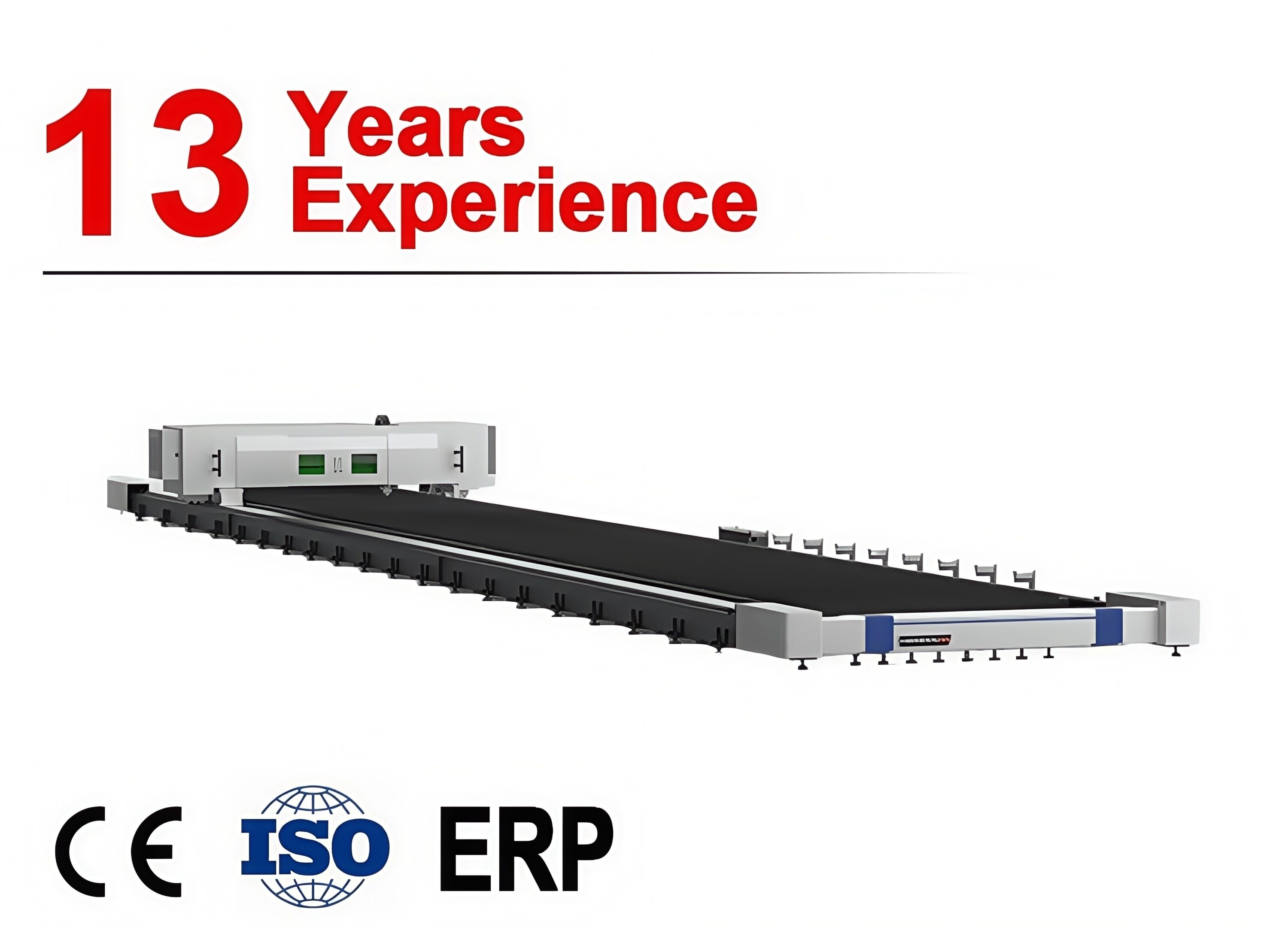
The sheet metal industry has undergone a remarkable transformation over the past two decades, driven largely by the adoption of advanced fabrication technologies. Among these innovations, the metal laser cutting machine stands out as a pivotal tool that has redefined precision, speed, and flexibility in sheet metal processing. From automotive body panels to aerospace components, HVAC ductwork to architectural cladding, laser cutting technology has become indispensable across diverse applications within the sheet metal sector. Understanding how metal laser cutting machines are applied in real-world industrial contexts helps fabricators, engineers, and business decision-makers recognize the strategic value of this technology and identify opportunities for process optimization and competitive advantage.
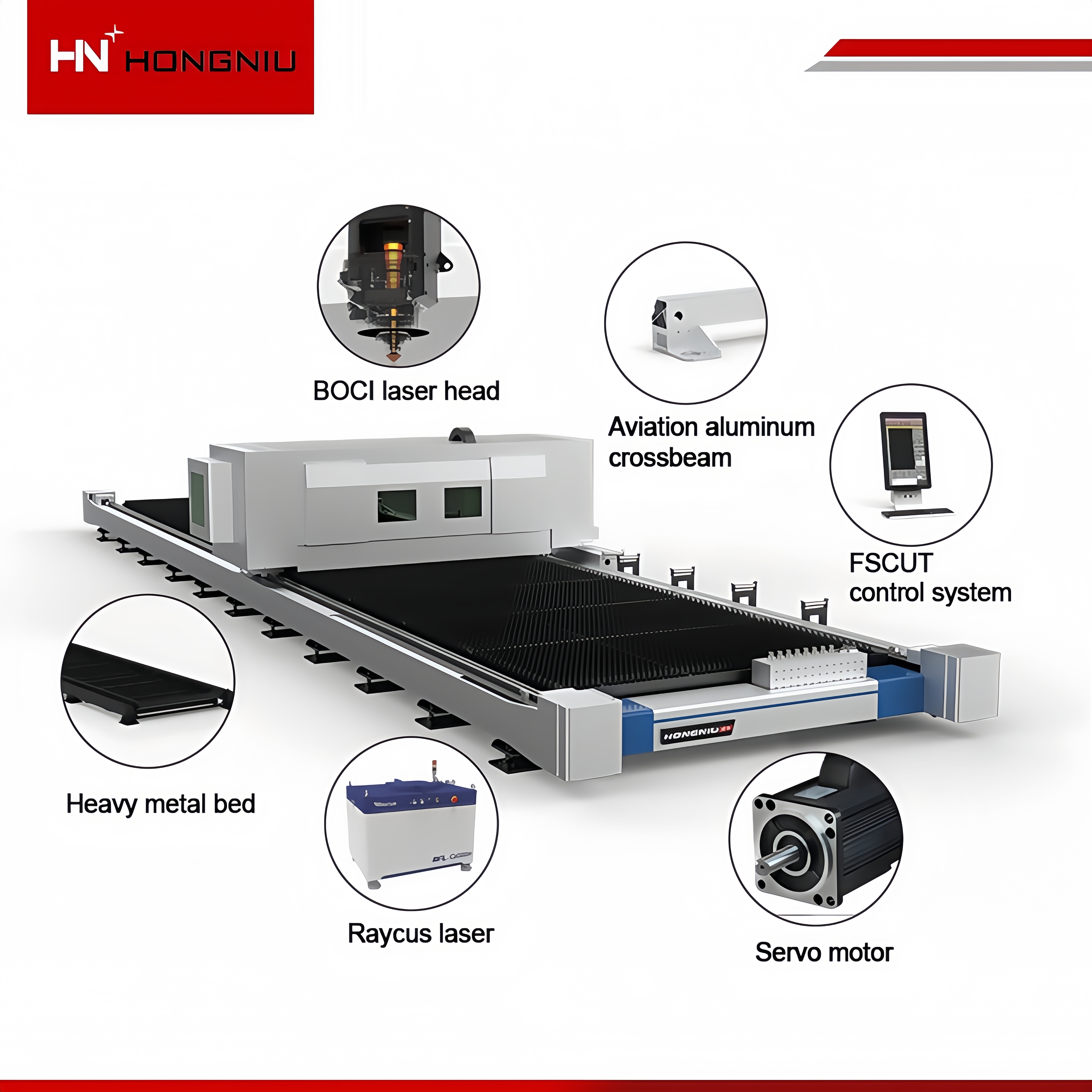
Sheet metal fabrication encompasses a wide range of operations, including cutting, bending, forming, and assembly, with cutting serving as the foundational step that determines downstream efficiency and product quality. Traditional cutting methods such as mechanical shearing, plasma cutting, and waterjet cutting each have their merits, yet they often fall short in delivering the combination of precision, speed, material versatility, and automation capabilities that modern manufacturing demands. The metal laser cutting machine addresses these limitations by utilizing a focused laser beam to melt, burn, or vaporize material along a precisely controlled path, enabling complex geometries, tight tolerances, and minimal material waste. This technology has proven particularly valuable in sheet metal applications where design complexity, production volume, and material variety converge, making it a cornerstone technology in contemporary fabrication facilities worldwide.
Automotive Component Manufacturing and Metal Laser Cutting Integration
Body Panel Fabrication and Structural Components
The automotive industry represents one of the largest and most demanding application areas for metal laser cutting machines in sheet metal processing. Vehicle body panels, including doors, hoods, fenders, and roof sections, require precise cutting of high-strength steel, aluminum alloys, and advanced composite materials. A metal laser cutting machine delivers the accuracy needed to produce parts with complex contours, tight fitting tolerances, and clean edge quality that minimizes secondary finishing operations. The ability to process various thicknesses ranging from 0.5mm to 6mm in a single setup makes laser cutting ideal for automotive applications where weight reduction and structural integrity must coexist.
Structural automotive components such as chassis reinforcements, suspension brackets, and crash management systems benefit significantly from laser cutting precision. These safety-critical parts demand consistent edge quality, minimal heat-affected zones, and dimensional accuracy that traditional cutting methods struggle to achieve at production scale. Metal laser cutting machines equipped with fiber laser sources can process advanced high-strength steels and ultra-high-strength steels commonly used in modern vehicle construction, maintaining material properties while achieving cutting speeds that support high-volume manufacturing requirements. The non-contact nature of laser cutting also eliminates tool wear and maintains consistent quality across extended production runs.
Exhaust System Components and Thermal Management Parts
Exhaust system manufacturing relies heavily on precision sheet metal cutting to create manifolds, catalytic converter housings, muffler shells, and heat shields. The metal laser cutting machine excels in processing stainless steel and aluminized steel materials commonly used in exhaust applications, where corrosion resistance and thermal stability are essential. Complex geometries such as flanges, mounting tabs, and expansion joints can be cut in single operations without the need for multiple tooling setups, reducing production time and labor costs while improving part consistency.
Thermal management components including heat exchangers, cooling system brackets, and battery enclosures for electric vehicles present additional applications where laser cutting technology demonstrates clear advantages. The ability to create intricate perforation patterns for airflow optimization, precision slots for assembly features, and clean edges for leak-free welding makes the metal laser cutting machine an invaluable asset in automotive thermal system production. As vehicle electrification accelerates, the demand for precision-cut thermal management components continues to grow, further solidifying the role of laser cutting in automotive sheet metal fabrication.
Aerospace Industry Applications and Precision Requirements
Airframe Structural Elements and Skin Panels
Aerospace manufacturing demands the highest levels of precision, traceability, and quality control in sheet metal fabrication, making the metal laser cutting machine a critical technology for aircraft and spacecraft component production. Airframe structural elements such as bulkheads, stringers, ribs, and floor panels are typically fabricated from aluminum alloys, titanium alloys, and specialized aerospace-grade materials that require clean cutting without compromising material properties. Laser cutting technology provides the precision needed to meet aerospace tolerances, often measured in hundredths of a millimeter, while maintaining material integrity through minimal heat input and controlled thermal effects.
Aircraft skin panels and fuselage sections represent particularly demanding applications where the metal laser cutting machine delivers measurable advantages over conventional cutting methods. These components often feature complex cutout patterns for access panels, inspection ports, and fastener locations that must align precisely with underlying structural elements. The ability to program and execute intricate cutting paths with repeatability ensures that every part meets stringent dimensional requirements and fits properly during assembly, reducing rework and accelerating production schedules. Additionally, the clean cut edges produced by laser technology minimize the need for deburring and edge preparation, streamlining the fabrication workflow.
Engine Components and Interior Fixtures
Aerospace engine components manufactured from sheet metal, including heat shields, mounting brackets, ducting elements, and engine cowling parts, benefit from the precision and versatility of metal laser cutting machine technology. These components must withstand extreme temperatures, vibration, and corrosive environments while maintaining precise dimensions and minimal weight. Laser cutting enables the fabrication of complex geometries with tight tolerances in materials such as Inconel, Hastelloy, and titanium alloys that are notoriously difficult to process with traditional cutting methods.
Aircraft interior fixtures including seat frames, overhead bin supports, galley equipment brackets, and lavatory components also utilize laser-cut sheet metal parts extensively. The metal laser cutting machine allows manufacturers to create lightweight structures with optimized material usage, contributing to overall aircraft weight reduction and fuel efficiency improvements. The technology's flexibility supports rapid design iterations and customization for different aircraft configurations, enabling manufacturers to respond quickly to changing customer requirements and certification standards without significant retooling investments.
HVAC and Building Services Equipment Manufacturing
Ductwork and Ventilation System Components
The heating, ventilation, and air conditioning industry relies extensively on sheet metal fabrication for ductwork, fittings, diffusers, and system enclosures. Metal laser cutting machines have transformed HVAC manufacturing by enabling the production of complex duct transitions, custom fittings, and decorative grilles with minimal setup time and maximum material efficiency. Galvanized steel, stainless steel, and aluminum sheet materials commonly used in HVAC applications can be processed with consistent quality, producing parts with clean edges that facilitate leak-free joining through welding, riveting, or snap-fit assembly.
Ventilation system components such as dampers, registers, and air terminal units feature intricate perforation patterns and precise dimensional requirements that benefit from laser cutting accuracy. The metal laser cutting machine can create uniform perforation arrays for airflow control, maintaining consistent hole diameter and spacing across large panels without the limitations of mechanical punching tools. This capability is particularly valuable for architectural applications where aesthetic appearance and acoustic performance are important considerations alongside functional requirements.
Heat Exchanger Plates and Boiler Components
Industrial and commercial heating equipment manufacturers utilize metal laser cutting machines to fabricate heat exchanger plates, boiler shells, burner assemblies, and flue gas components from various thicknesses of steel and stainless steel. The precision of laser cutting ensures proper alignment of heat transfer surfaces, accurate positioning of fluid ports, and consistent gasket seating surfaces that are critical for equipment efficiency and safety. Complex fin geometries and turbulator patterns can be cut with repeatability, optimizing thermal performance while maintaining manufacturability at production scale.
Boiler and pressure vessel components require strict adherence to safety codes and manufacturing standards, making the traceability and quality control capabilities of modern metal laser cutting machines particularly valuable. Automated nesting software optimizes material utilization while maintaining part orientation and edge quality requirements, and integrated quality monitoring systems can detect and flag deviations in real-time, ensuring that every component meets specification before proceeding to welding and assembly operations. This level of process control reduces scrap rates and inspection costs while enhancing overall product reliability.
Electronics Enclosures and Electrical Cabinet Manufacturing
Server Racks and Data Center Equipment
The rapid expansion of data centers and cloud computing infrastructure has created substantial demand for precision-manufactured electronics enclosures and server racks fabricated from sheet metal. Metal laser cutting machines enable the production of chassis components, mounting panels, ventilation grilles, and cable management brackets with the accuracy required for proper equipment fit and electromagnetic compatibility. The technology's ability to create complex perforation patterns for airflow optimization is particularly valuable in high-density computing environments where thermal management is critical to system reliability and performance.
Server rack manufacturers benefit from the flexibility of laser cutting to accommodate frequent design changes and customization requirements driven by evolving IT equipment standards and customer specifications. The metal laser cutting machine processes various materials including cold-rolled steel, aluminum, and stainless steel with consistent edge quality and minimal burr formation, reducing secondary operations and accelerating production cycles. Integrated bending lines, assembly tabs, and fastener locations can be incorporated directly into cut parts, simplifying downstream fabrication and assembly processes.
Control Panels and Electrical Distribution Equipment
Electrical control panel and distribution equipment manufacturing depends on precise sheet metal fabrication for enclosure bodies, door panels, mounting plates, and wiring channels. The metal laser cutting machine delivers the accuracy needed to create proper clearances for switches, indicators, displays, and connection terminals while maintaining structural integrity and safety compliance. Custom cutouts for specialized components, cable entry knockouts, and ventilation openings can be programmed and executed without dedicated tooling, enabling manufacturers to offer extensive customization options without inventory or lead time penalties.
Industrial control enclosures often require protective finishes such as powder coating or electroplating, making the clean edges and minimal heat-affected zones produced by laser cutting particularly advantageous. Parts emerge from the metal laser cutting machine with reduced surface contamination and oxidation compared to thermal cutting alternatives, improving coating adhesion and corrosion resistance. The technology's capability to process various material thicknesses from thin gauge decorative panels to heavy structural components within a single machine setup streamlines production planning and reduces work-in-process inventory.
Architectural Metalwork and Decorative Applications
Facade Panels and Cladding Systems
Modern architectural design increasingly incorporates metal facades, cladding panels, and decorative screens that require sophisticated fabrication capabilities. Metal laser cutting machines enable architects and fabricators to realize complex geometric patterns, organic shapes, and intricate perforation designs that would be impractical or cost-prohibitive with conventional cutting methods. Aluminum, stainless steel, and weathering steel materials commonly used in architectural applications can be processed with the precision needed to maintain visual consistency across large installations while accommodating tolerance requirements for structural mounting systems.
Building facade components often feature repeating patterns, gradient transitions, and custom artwork elements that demonstrate the design flexibility enabled by laser cutting technology. The metal laser cutting machine can execute these complex designs with perfect repeatability across hundreds or thousands of panels, ensuring visual uniformity and proper fit during installation. The technology's ability to nest parts efficiently on sheet material reduces waste and project costs, making ambitious architectural concepts more economically feasible while maintaining the highest aesthetic standards.
Interior Design Elements and Artistic Installations
Interior architectural metalwork including decorative partitions, stair railings, elevator cabs, and ceiling panels benefits from the creative freedom afforded by metal laser cutting machine capabilities. Designers can specify intricate patterns, brand logos, and custom motifs that are cut with precision and consistency, creating distinctive visual elements that define interior spaces. The clean edges and minimal heat distortion produced by laser cutting are particularly important for visible surfaces where finish quality directly impacts aesthetic appeal.
Artistic metal installations and sculptural elements demonstrate the intersection of fabrication technology and creative expression enabled by advanced laser cutting. Artists and fabricators collaborate to transform digital designs into physical metal artworks with detail levels and geometric complexity that push the boundaries of traditional metalworking. The metal laser cutting machine serves as a bridge between digital creativity and physical realization, enabling the production of museum-quality pieces, public art installations, and commercial decorative elements that showcase the material possibilities of precision-cut sheet metal.
FAQ
What sheet metal thicknesses can a metal laser cutting machine effectively process?
Most industrial fiber laser cutting machines can effectively process mild steel sheet metal from 0.5mm up to 25mm thickness, stainless steel from 0.5mm to 20mm, and aluminum alloys from 0.5mm to 12mm, though optimal cutting speeds and edge quality vary with material type and thickness. The practical thickness range for production applications typically focuses on materials between 1mm and 10mm where laser cutting offers the best balance of speed, quality, and cost-effectiveness compared to alternative cutting methods. Thicker materials can be cut but may require multiple passes, reduced speeds, or specialized gas assist configurations that impact production economics.
How does a metal laser cutting machine improve material utilization in sheet metal fabrication?
Metal laser cutting machines improve material utilization through advanced nesting software that optimizes part placement on sheet material, minimizing scrap and maximizing the number of parts per sheet. The narrow kerf width of laser cutting, typically between 0.1mm and 0.3mm depending on material and thickness, allows parts to be nested more closely together compared to plasma or mechanical cutting methods with wider kerfs. Additionally, the ability to cut complex shapes without intermediate entry points or approach paths reduces material waste associated with lead-ins and lead-outs, and the technology's precision minimizes the need for excess material allowances traditionally required to accommodate cutting tolerances and edge finishing operations.
What maintenance requirements should fabricators expect with metal laser cutting machine operation?
Regular maintenance for metal laser cutting machines includes daily inspection and cleaning of cutting head optics, protective windows, and nozzles to prevent contamination that degrades beam quality and cutting performance. Weekly tasks typically involve checking and cleaning assist gas delivery systems, inspecting cutting table slats for damage or buildup, and verifying machine alignment and calibration. Monthly or quarterly maintenance includes examination of laser source components, cooling system servicing, linear guide lubrication, and electrical connection inspection. Fiber laser sources used in modern machines generally require less maintenance than older CO2 laser technology, with typical service intervals measured in tens of thousands of operating hours, but adherence to manufacturer-specified maintenance schedules remains essential for consistent performance, optimal uptime, and equipment longevity.
Can a metal laser cutting machine handle reflective materials commonly used in sheet metal applications?
Modern fiber laser cutting machines can effectively process reflective materials including aluminum, copper, and brass that historically posed challenges for laser cutting technology. Fiber lasers operate at wavelengths around 1.06 microns that are better absorbed by reflective metals compared to the 10.6 micron wavelength of CO2 lasers, enabling reliable cutting with appropriate parameter optimization. However, highly reflective materials require careful process development including proper focal point positioning, assist gas selection, and power modulation to prevent back-reflection damage to optical components. Most contemporary metal laser cutting machines incorporate protective features such as back-reflection sensors and adaptive power control that safeguard the laser source when processing reflective materials, making these applications routine in production environments with properly trained operators and established process parameters.
Table of Contents
- Automotive Component Manufacturing and Metal Laser Cutting Integration
- Aerospace Industry Applications and Precision Requirements
- HVAC and Building Services Equipment Manufacturing
- Electronics Enclosures and Electrical Cabinet Manufacturing
- Architectural Metalwork and Decorative Applications
-
FAQ
- What sheet metal thicknesses can a metal laser cutting machine effectively process?
- How does a metal laser cutting machine improve material utilization in sheet metal fabrication?
- What maintenance requirements should fabricators expect with metal laser cutting machine operation?
- Can a metal laser cutting machine handle reflective materials commonly used in sheet metal applications?
