 EN
EN

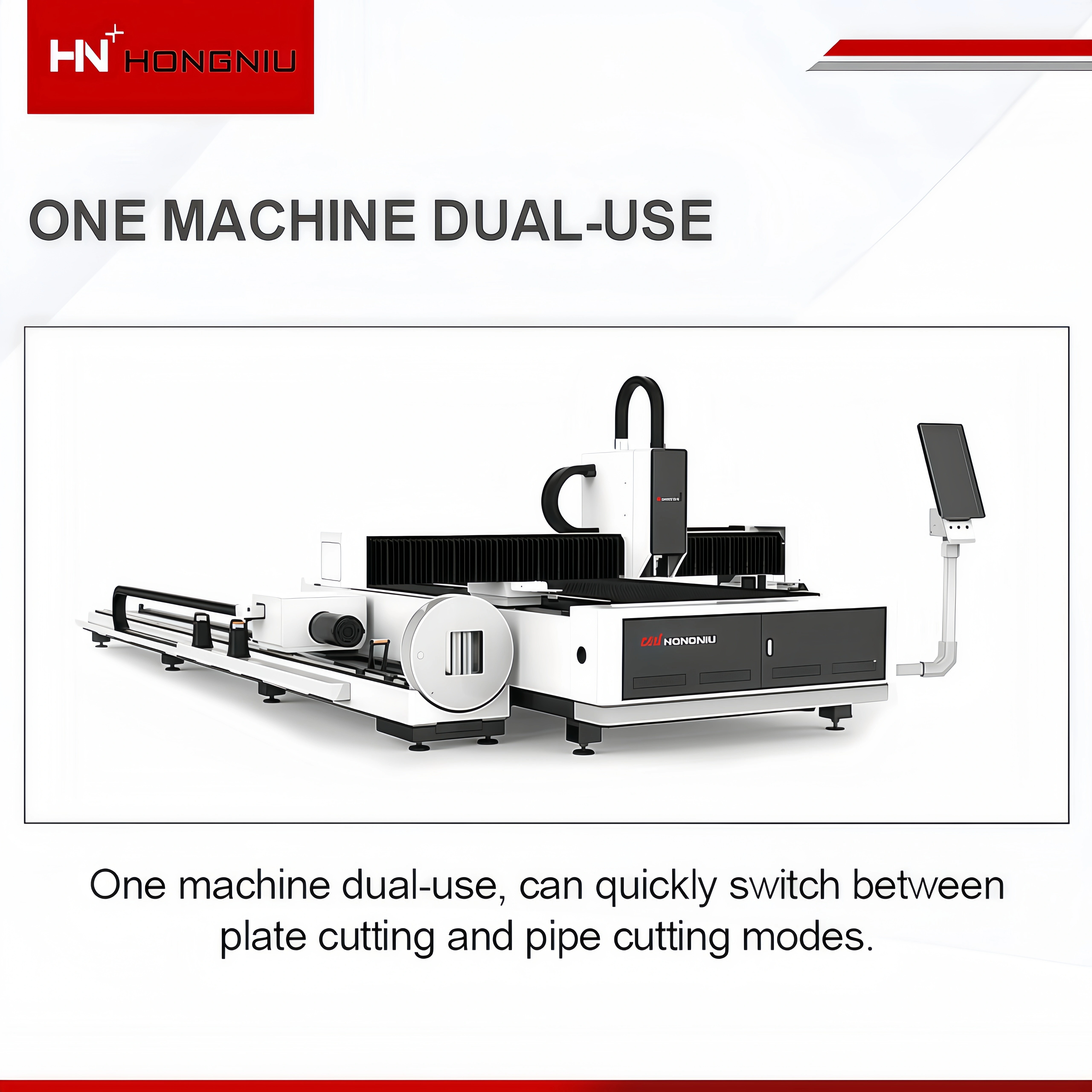
In the competitive world of metal fabrication, selecting the right thermal cutting technology is a decision that impacts every facet of a business, from initial capital expenditure to the final quality of the delivered product. The two primary contenders for industrial metal processing are the fiber laser and the plasma cutter. While both utilize thermal energy to slice through conductive materials, the underlying physics and the resulting output vary significantly.
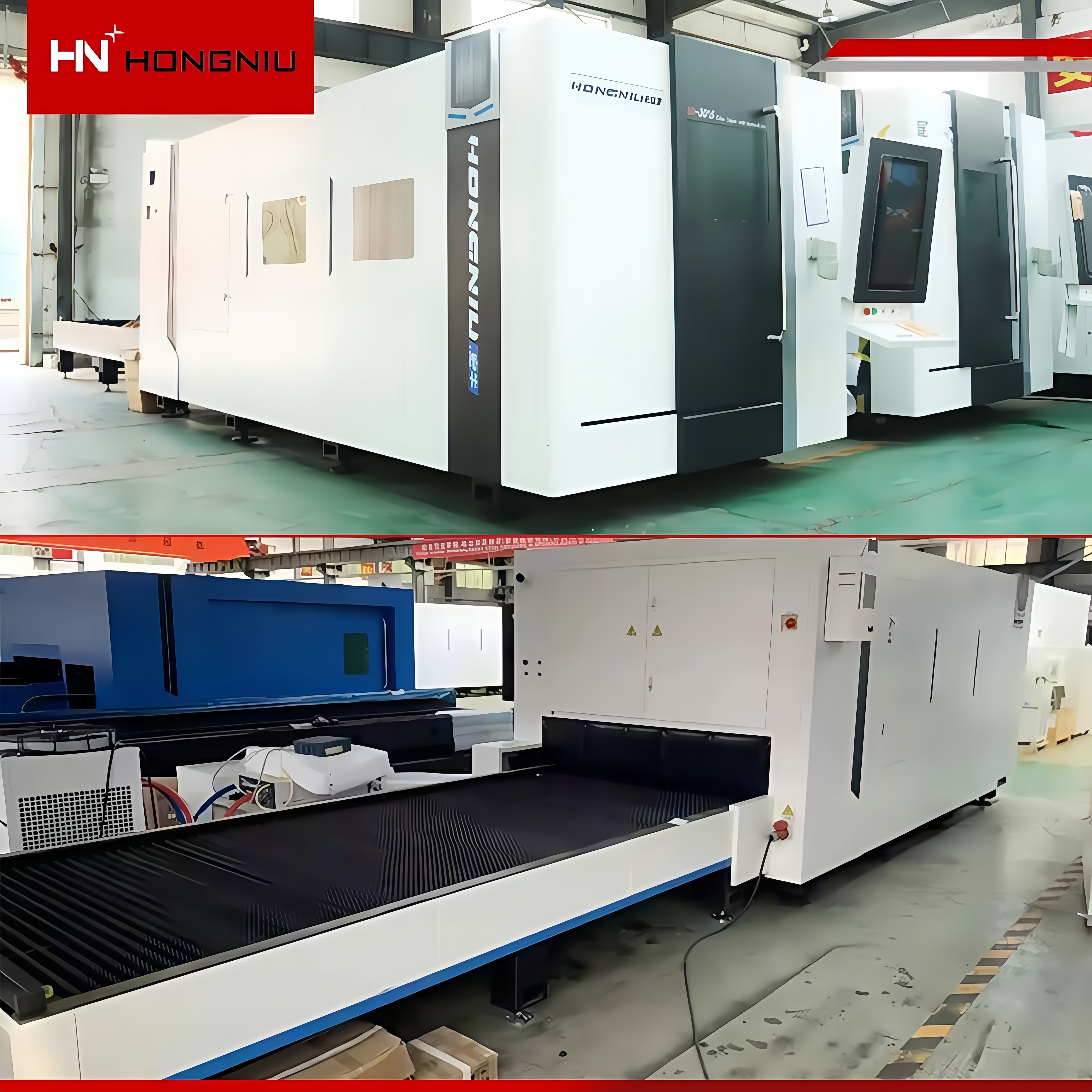
Choosing between a Metal Laser Cutter and a plasma system requires a deep understanding of your production volume, material thickness, and required precision. A fiber laser represents the pinnacle of high-speed, high-precision technology, whereas plasma cutting remains a robust, cost-effective powerhouse for heavy-duty applications. This guide provides a technical and economic breakdown to help you determine which system aligns with your operational goals.
Technical Fundamentals and Beam Dynamics
The primary difference between these two technologies lies in how the heat is generated and focused. A Metal Laser Cutter uses a solid-state fiber source to generate a laser beam that is then focused through a lens into an incredibly small, intense spot. This concentrated energy allows the material to be vaporized or melted with surgical precision. Because the beam is so narrow, the "kerf"—the width of the cut—is minimal, allowing for highly intricate designs and tight nesting of parts to save material.
Plasma cutting, on the other hand, uses an electrical arc and compressed gas (like air, nitrogen, or oxygen) to create a stream of ionized gas, or plasma. This plasma stream is much wider than a laser beam. While it is incredibly effective at blasting through thick sections of metal, it cannot match the fine detail of a laser. Plasma cutting also introduces a significantly higher amount of heat into the material, which can lead to larger heat-affected zones (HAZ) and potential warping in thinner sheets.
Precision, Edge Quality, and Tolerances
When it comes to the "finish" of the cut, the Metal Laser Cutter is the undisputed leader. It can achieve dimensional tolerances as tight as ±0.05mm. The edges produced are typically smooth, square, and free of dross (hardened slag), meaning parts can often move directly from the cutting table to the assembly line or welding station without secondary grinding. This is particularly vital for industries like electronics, medical devices, and high-end automotive components.
Plasma cutters generally produce a rougher edge with a noticeable "bevel" or angle. Because the plasma arc tends to flare at the bottom of the cut, the top of the hole or edge may be slightly smaller than the bottom. While high-definition plasma systems have improved this, they still struggle to match the perpendicularity and cleanliness of a laser. For structural steel or heavy equipment where tolerances are more relaxed (±0.5mm or greater), plasma is often more than sufficient, but for precision engineering, the laser is mandatory.
Comparing Efficiency and Operational Costs
To understand the long-term value of each machine, manufacturers must look at the cost-per-part rather than just the initial purchase price. While a high-quality Metal Laser Cutter has a higher upfront cost, its efficiency in thin-to-medium materials is unparalleled. The following table highlights the core differences in operational performance.
Performance Matrix: Laser vs. Plasma
| Feature | Metal Laser Cutter (Fiber) | Plasma Cutter (Standard) |
| Optimal Thickness | 0.5mm to 25mm | 15mm to 50mm+ |
| Cutting Speed (Thin) | Extremely High | Moderate |
| Cutting Speed (Thick) | Moderate to High | High |
| Edge Finish | Smooth / Mirror-like | Rough / Scaled |
| Kerf Width | ~0.1mm - 0.3mm | ~1.5mm - 4.0mm |
| Electricity Usage | Low (High Wall-Plug Efficiency) | High |
| Consumables | Nozzles, Protection Windows | Electrodes, Nozzles, Shields |
| Secondary Finishing | Rarely Required | Almost Always Required |
Material Versatility and Application Scopes
Both machines are designed primarily for metals, but their "comfort zones" differ. A fiber-based Metal Laser Cutter excels at processing a wide variety of alloys, including highly reflective metals like copper and brass, which were historically difficult to cut. It is the go-to tool for stainless steel and aluminum where aesthetic appearance and hygiene are important. The laser's ability to cut tiny holes (smaller than the material thickness) makes it indispensable for complex venting patterns or decorative screens.
Plasma cutters are the "workhorses" of the heavy industrial sector. They are at their best when cutting thick carbon steel plates for bridges, ships, and heavy machinery. Plasma is also more "forgiving" when it comes to material surface conditions; it can cut through rusted, painted, or dirty metal much more easily than a laser, which requires a clean surface to maintain focus. If your workflow involves 30mm thick steel plates where the edge finish is secondary to the speed of separation, plasma is the logical choice.
Maintenance and Long-Term Reliability
Maintenance requirements can significantly impact the total cost of ownership. Fiber lasers are solid-state systems, meaning they have no moving parts or mirrors within the light-generating source. This leads to extremely high reliability and a lifespan often exceeding 100,000 hours. The main maintenance tasks involve cleaning the optics and replacing the copper nozzles.
Plasma systems require much more frequent intervention. The electrodes and nozzles in a plasma torch are "sacrificial" and must be replaced often—sometimes several times a day depending on the number of pierces. If the gas quality is not strictly controlled, the torch components can wear out even faster. While the individual parts for plasma are cheaper than laser optics, the cumulative cost of downtime and consumable replacement can be substantial over the life of the machine.
Frequently Asked Questions (FAQ)
Can a Metal Laser Cutter cut thicker steel than a plasma cutter?
Generally, no. While high-power lasers (20kW+) can now cut up to 50mm steel, plasma cutters are still more efficient and cost-effective for materials over 30mm. Plasma remains the standard for extremely thick industrial plates.
Which machine is easier for a beginner to learn?
Plasma cutting is technically simpler to set up, but a Metal Laser Cutter is often easier to operate in the long run because of advanced CNC automation. Modern laser software handles most of the parameter adjustments (speed, gas pressure, focus) automatically based on the material selected.
Is laser cutting more expensive to run than plasma?
It depends on the material. For thin materials, laser is cheaper because it is so much faster and uses less electricity per meter of cut. For very thick materials, the high power consumption of a laser and the cost of assist gases (like Nitrogen) can make plasma the more economical choice.
Does plasma cutting produce more fumes than laser cutting?
Yes. Plasma cutting generates a significant amount of smoke, dust, and noise. Most plasma systems require a "water table" or a very powerful high-volume dust extraction system. Laser cutters also produce fumes, but because the kerf is so much thinner, there is less vaporized metal to manage.
Can I cut aluminum with a plasma cutter?
Yes, plasma can cut aluminum, but the edge will often be very rough and may have a layer of dross that is difficult to remove. A fiber laser provides a much cleaner, more precise cut on aluminum, which is why it is preferred in the aerospace and automotive sectors.
