 EN
EN

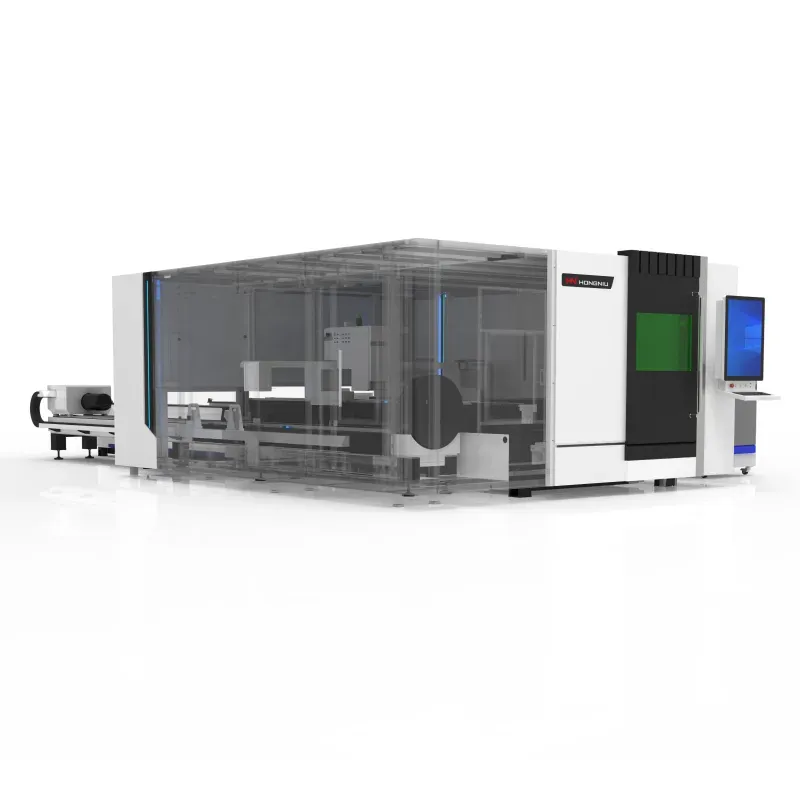
Manufacturing industries worldwide are experiencing unprecedented demand for precision components and large-scale production capabilities. Modern production facilities require advanced equipment that can deliver consistent quality while maintaining high throughput rates. The adoption of advanced CNC laser cutting machine technology has revolutionized how manufacturers approach large-scale production challenges, offering unparalleled precision and efficiency for diverse industrial applications.
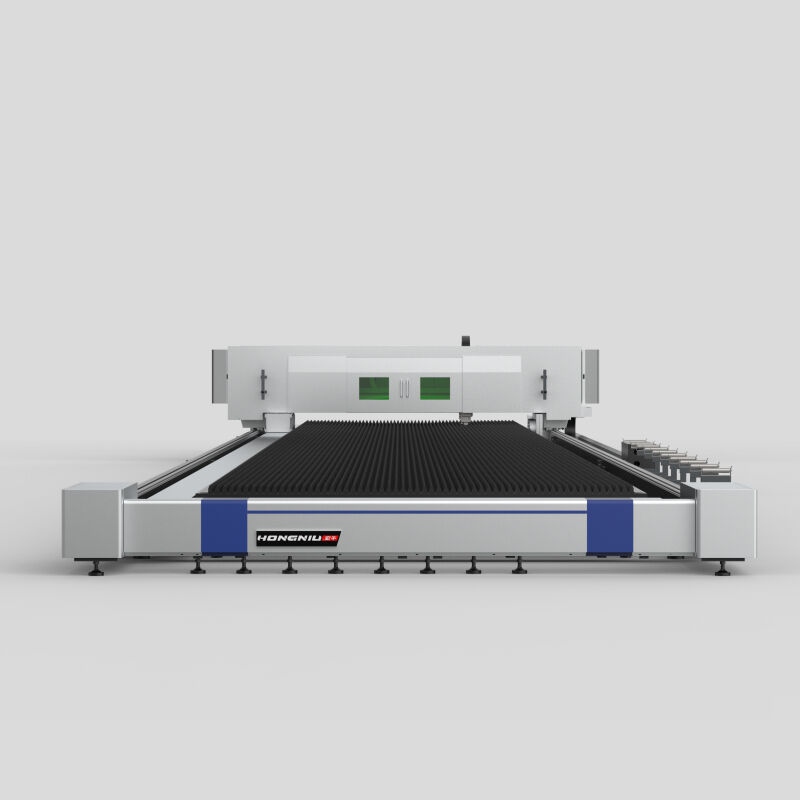
Large-scale manufacturing operations demand equipment that can handle continuous operation while maintaining exceptional accuracy across thousands of parts. The integration of computer numerical control systems with laser cutting technology creates a powerful combination that addresses the complex requirements of modern industrial production. These sophisticated machines represent a significant advancement in manufacturing technology, enabling companies to achieve production goals that were previously unattainable with traditional cutting methods.
Enhanced Production Efficiency Through Advanced Technology
Rapid Processing Capabilities
A high-performance CNC laser cutting machine delivers remarkable speed advantages compared to conventional cutting methods. The laser beam travels at extraordinary velocities, allowing for rapid traversal across work surfaces while maintaining precise cutting paths. This speed advantage becomes particularly significant in large-scale production environments where time-to-market pressures require maximum throughput without compromising quality standards.
The automated nature of CNC laser cutting machine operation eliminates many manual processes that typically slow down production cycles. Advanced programming capabilities allow operators to set up complex cutting sequences that run continuously with minimal intervention. This automation extends beyond basic cutting operations to include material handling, quality monitoring, and production reporting functions that streamline the entire manufacturing workflow.
Continuous Operation Advantages
Modern manufacturing facilities benefit tremendously from equipment designed for extended operation periods. The robust construction and advanced cooling systems integrated into professional-grade CNC laser cutting machine units enable 24-hour production schedules when necessary. This operational flexibility proves invaluable for meeting tight delivery deadlines and maintaining competitive production costs.
Maintenance scheduling becomes more predictable with advanced diagnostic systems that monitor machine performance in real-time. These systems alert operators to potential issues before they affect production quality, allowing for proactive maintenance that minimizes unexpected downtime. The reliability of modern laser cutting systems contributes significantly to overall equipment effectiveness metrics that drive profitability in large-scale operations.
Precision Engineering for Complex Manufacturing Requirements
Dimensional Accuracy Standards
The precision capabilities of a professional CNC laser cutting machine exceed traditional machining tolerances by significant margins. Laser beam focusing technology creates cutting paths with widths measured in fractions of millimeters, enabling the production of intricate components with exceptional dimensional accuracy. This precision level becomes crucial when manufacturing parts that require tight tolerances for proper assembly and function.
Computer-controlled positioning systems ensure that cutting paths remain consistent across thousands of identical parts. The elimination of mechanical cutting forces that can cause material distortion or tool wear results in superior edge quality and dimensional repeatability. These advantages prove particularly valuable in industries such as aerospace, automotive, and electronics manufacturing where precision requirements are non-negotiable.
Complex Geometry Capabilities
Advanced CNC laser cutting machine systems excel at producing complex geometries that would be challenging or impossible with conventional cutting methods. The ability to create intricate internal cutouts, sharp corners, and fine details without secondary operations reduces manufacturing complexity and associated costs. This capability expansion allows manufacturers to design products with enhanced functionality while maintaining efficient production processes.
Multi-axis cutting capabilities found in sophisticated laser systems enable the production of three-dimensional features and beveled edges in single operations. This advanced functionality eliminates multiple setup requirements and reduces handling time between operations. The result is improved production efficiency and reduced opportunities for errors that can occur during part transfers between different machines.
Material Versatility and Processing Advantages
Diverse Material Compatibility
The versatility of a modern CNC laser cutting machine extends across an impressive range of materials commonly used in industrial manufacturing. From various steel grades and aluminum alloys to exotic metals and composite materials, laser cutting technology adapts to different material properties without requiring tool changes or extensive setup modifications. This flexibility proves invaluable for manufacturers working with diverse product lines or custom applications.
The non-contact nature of laser cutting eliminates concerns about tool wear and material contamination that affect traditional machining processes. Different materials can be processed sequentially without the downtime typically associated with tooling changes, improving overall production efficiency. This advantage becomes particularly significant in job shop environments where material variety is common.
Thickness Range Capabilities
Advanced laser cutting systems demonstrate remarkable capability across extensive thickness ranges, from thin sheet materials to substantial plate thicknesses. The ability to adjust laser power and cutting parameters dynamically allows a single CNC laser cutting machine to handle diverse thickness requirements within the same production run. This flexibility reduces equipment investment requirements and floor space utilization.
Edge quality remains consistent across different thickness ranges when proper cutting parameters are employed. The heat-affected zone remains minimal even on thicker materials, preserving material properties adjacent to cut edges. This characteristic proves essential for applications where subsequent welding or machining operations require optimal material conditions.
Economic Benefits for Large-Scale Manufacturing
Reduced Operating Costs
The operational economics of CNC laser cutting machine technology demonstrate significant advantages over traditional cutting methods in large-scale production environments. Elimination of consumable cutting tools removes ongoing costs associated with tool replacement and inventory management. The precision of laser cutting also reduces material waste through optimized nesting algorithms that maximize material utilization rates.
Labor requirements decrease substantially with automated laser cutting systems that require minimal operator intervention during normal operation. Skilled operators can manage multiple machines simultaneously, improving labor productivity and reducing per-unit production costs. The consistency of automated operation also reduces quality-related expenses associated with rework and scrap materials.
Return on Investment Considerations
Large-scale manufacturers typically realize attractive returns on CNC laser cutting machine investments through multiple cost-saving mechanisms. Increased production capacity, reduced material waste, lower labor requirements, and improved quality metrics combine to create substantial operational savings. These savings often justify investment costs within reasonable payback periods, particularly for high-volume production applications.
The versatility of laser cutting equipment also contributes to investment returns by enabling manufacturers to accept diverse contract opportunities without additional capital investments. This flexibility can lead to increased revenue streams and improved facility utilization rates that enhance overall profitability metrics.
Quality Control and Consistency Benefits
Automated Quality Assurance
Modern CNC laser cutting machine systems incorporate sophisticated quality monitoring capabilities that ensure consistent results throughout production runs. Real-time monitoring of cutting parameters, beam quality, and material conditions enables immediate corrections when deviations occur. This proactive approach to quality control prevents defective parts from proceeding through subsequent manufacturing operations.
Integration with statistical process control systems allows manufacturers to track quality trends and implement continuous improvement initiatives. The data collection capabilities of advanced laser cutting systems provide valuable insights into process optimization opportunities that can further enhance production efficiency and quality outcomes.
Repeatability Advantages
The digital nature of CNC laser cutting machine programming ensures identical results across unlimited production quantities. Once optimal cutting parameters are established for specific applications, these settings can be stored and recalled for future production runs with complete confidence in consistent outcomes. This repeatability proves invaluable for maintaining quality standards in large-scale manufacturing operations.
Elimination of operator variability through automated control systems removes human factors that can affect quality consistency in manual operations. The precision of computer-controlled positioning and cutting parameters ensures that every part meets specified requirements regardless of production volume or time considerations.
Integration with Modern Manufacturing Systems
Industry 4.0 Compatibility
Contemporary CNC laser cutting machine designs incorporate connectivity features that support integration with modern manufacturing execution systems and enterprise resource planning platforms. This connectivity enables real-time production monitoring, automatic scheduling optimization, and seamless data exchange with other manufacturing equipment. Such integration capabilities prove essential for manufacturers implementing Industry 4.0 initiatives.
Advanced analytics capabilities provide insights into equipment utilization, energy consumption, and maintenance requirements that support continuous improvement efforts. The ability to analyze production data helps manufacturers identify optimization opportunities and implement predictive maintenance strategies that maximize equipment availability and performance.
Workflow Optimization
The integration of CNC laser cutting machine technology with automated material handling systems creates highly efficient production workflows that minimize manual intervention and maximize throughput. Automated loading and unloading systems, combined with intelligent scheduling software, optimize machine utilization while reducing labor requirements and material handling costs.
Advanced nesting software maximizes material utilization by optimizing part placement on raw materials. These optimization algorithms consider cutting path efficiency, material properties, and production scheduling requirements to minimize waste and maximize productivity. The result is improved material yields and reduced environmental impact from manufacturing operations.
FAQ
What makes CNC laser cutting machines suitable for large-scale production
CNC laser cutting machines excel in large-scale production due to their combination of high-speed operation, exceptional precision, and minimal maintenance requirements. These systems can operate continuously for extended periods while maintaining consistent quality standards. The automation capabilities reduce labor requirements and eliminate many manual processes that slow traditional manufacturing methods. Additionally, the versatility to handle diverse materials and thicknesses without tool changes maximizes equipment utilization and production efficiency.
How does laser cutting technology improve production quality compared to traditional methods
Laser cutting technology delivers superior quality through precise beam control that creates clean edges with minimal heat-affected zones. The non-contact cutting process eliminates mechanical forces that can distort materials or cause edge defects common with traditional cutting methods. Computer numerical control ensures identical results across thousands of parts, eliminating operator variability that affects quality consistency. Real-time monitoring systems detect and correct deviations immediately, preventing defective parts from proceeding through production.
What cost savings can manufacturers expect from implementing laser cutting systems
Manufacturers typically realize cost savings through multiple channels including eliminated tool replacement costs, reduced material waste through optimized nesting, decreased labor requirements due to automation, and minimized rework expenses from improved quality consistency. Energy efficiency improvements and reduced facility space requirements for ancillary equipment also contribute to operational cost reductions. Many large-scale manufacturers report payback periods of 18-36 months depending on production volumes and application complexity.
How do modern laser cutting machines integrate with existing manufacturing systems
Modern CNC laser cutting machines feature extensive connectivity options that enable integration with manufacturing execution systems, enterprise resource planning software, and other production equipment. These systems support standard communication protocols that facilitate real-time data exchange for production monitoring, scheduling optimization, and quality tracking. Advanced machines also integrate with automated material handling systems and CAD/CAM software for seamless workflow optimization from design through finished parts.
Table of Contents
- Enhanced Production Efficiency Through Advanced Technology
- Precision Engineering for Complex Manufacturing Requirements
- Material Versatility and Processing Advantages
- Economic Benefits for Large-Scale Manufacturing
- Quality Control and Consistency Benefits
- Integration with Modern Manufacturing Systems
-
FAQ
- What makes CNC laser cutting machines suitable for large-scale production
- How does laser cutting technology improve production quality compared to traditional methods
- What cost savings can manufacturers expect from implementing laser cutting systems
- How do modern laser cutting machines integrate with existing manufacturing systems
