Get a Free Quote

Our representative will contact you soon.
Email
Name
WhatsApp
Company Name
Message
0/1000

How to Choose a CNC Laser Cutting Machine for Your Factory?

2026-02-09 16:00:00
How to Choose a CNC Laser Cutting Machine for Your Factory?

Manufacturing facilities across the globe are increasingly turning to advanced cutting technologies to meet growing demands for precision, efficiency, and cost-effectiveness. Among these technologies, the CNC laser cutting machine stands out as a revolutionary solution that combines computer numerical control with laser technology to deliver exceptional cutting capabilities. These sophisticated systems have transformed how manufacturers approach metal fabrication, offering unparalleled accuracy and speed that traditional cutting methods simply cannot match. Understanding the critical factors involved in selecting the right CNC laser cutting machine for your factory operations is essential for maximizing productivity and ensuring long-term success in today's competitive manufacturing landscape.

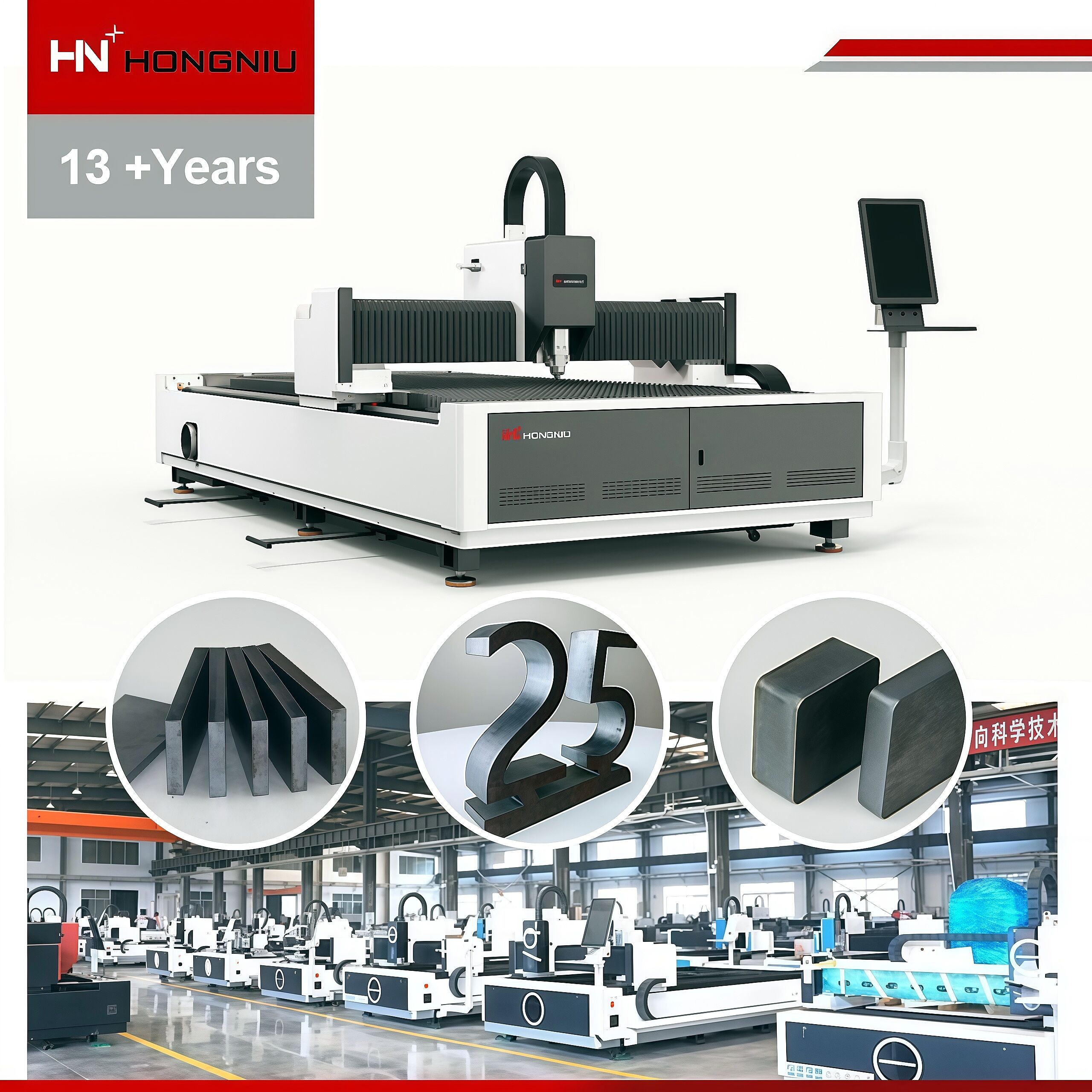
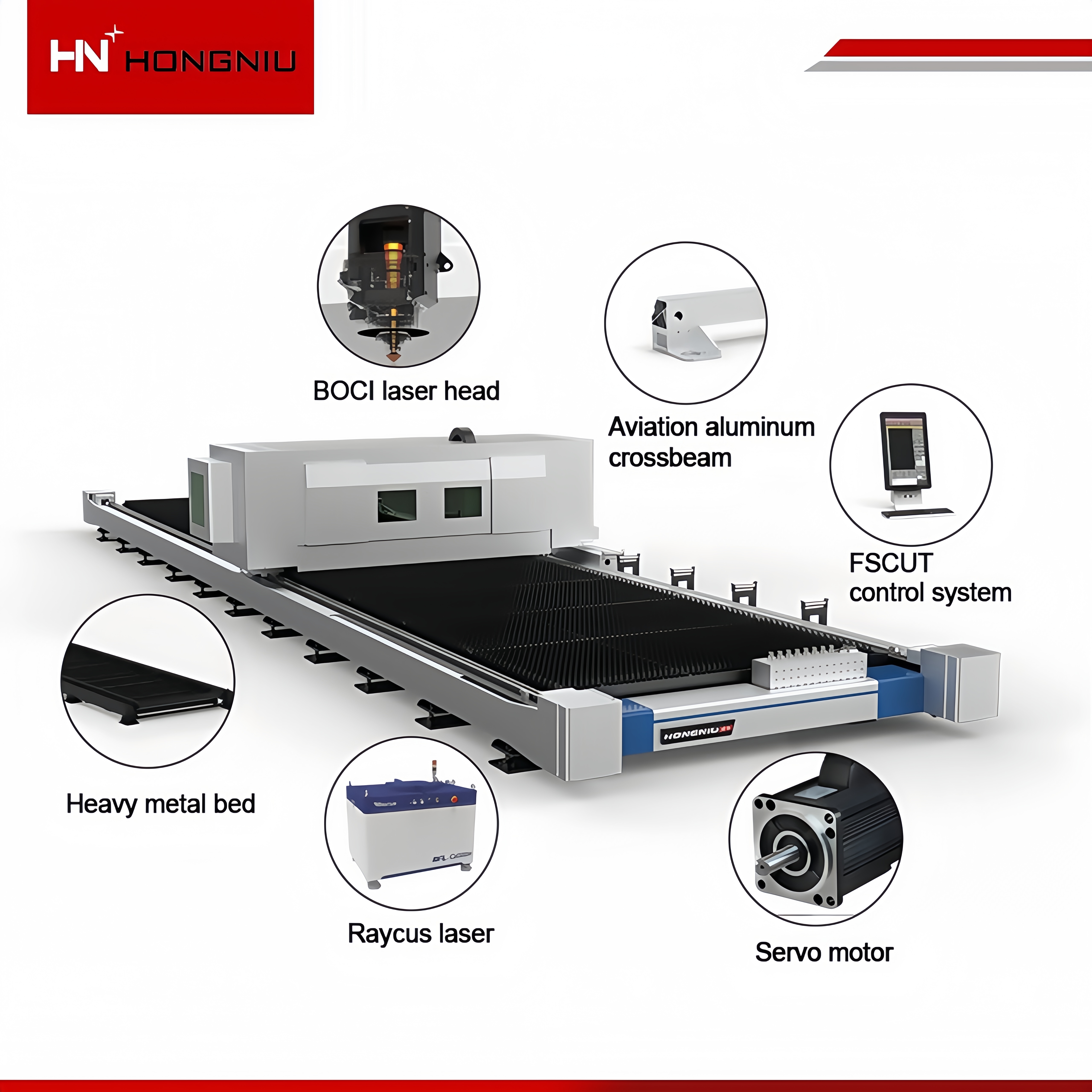
CNC laser cutting machine

Understanding CNC Laser Cutting Technology

Core Components and Operation Principles

A CNC laser cutting machine operates through the integration of several critical components that work in harmony to achieve precise cutting results. The laser source generates a concentrated beam of light that is focused through a series of mirrors and lenses, creating an intense heat point capable of melting, burning, or vaporizing materials. The CNC control system manages the movement of the cutting head along predetermined paths, following digital blueprints with exceptional accuracy. This combination allows manufacturers to achieve cutting tolerances as tight as 0.1mm, making the CNC laser cutting machine ideal for applications requiring high precision.

The cutting process begins when the focused laser beam makes contact with the workpiece material, creating a localized heat zone that reaches temperatures exceeding 20,000 degrees Fahrenheit. As the material reaches its melting or vaporization point, an assist gas typically nitrogen, oxygen, or compressed air is introduced to blow away molten material and prevent oxidation. The CNC system simultaneously controls the cutting speed, laser power, and gas flow rate to optimize cutting quality while maintaining consistent results across large production runs.

Types of Laser Sources Available

Modern CNC laser cutting machine systems utilize several different types of laser sources, each offering distinct advantages for specific applications. Fiber lasers have become increasingly popular due to their exceptional efficiency, with electrical-to-optical conversion rates exceeding 30 percent. These systems excel at cutting thin to medium thickness metals and offer superior beam quality that results in narrower kerf widths and reduced heat-affected zones. The solid-state design of fiber lasers also provides enhanced reliability and longer operational lifespans compared to traditional laser technologies.

CO2 lasers remain a viable option for many manufacturing applications, particularly when working with thicker materials or non-metallic substrates. While CO2 systems typically have lower efficiency ratings than fiber lasers, they offer excellent cutting capabilities for materials such as acrylic, wood, and thick steel plates. The wavelength characteristics of CO2 lasers make them particularly effective for cutting reflective materials that can pose challenges for other laser types. Understanding these differences is crucial when evaluating which CNC laser cutting machine configuration will best serve your specific manufacturing requirements.

Material Compatibility and Cutting Capabilities

Metal Cutting Performance

The material processing capabilities of a CNC laser cutting machine represent one of the most important factors to consider during the selection process. Different laser configurations excel at cutting specific materials and thicknesses, making it essential to match your system specifications to your production requirements. Fiber laser systems demonstrate exceptional performance when cutting carbon steel, stainless steel, and aluminum, with the ability to process materials ranging from thin gauge sheets to plates several inches thick. The concentrated energy delivery of these systems enables rapid cutting speeds while maintaining superior edge quality.

Cutting speed capabilities vary significantly based on material type and thickness, with modern CNC laser cutting machine systems achieving impressive throughput rates. For example, when cutting 10-gauge mild steel, high-performance systems can maintain cutting speeds exceeding 400 inches per minute while delivering clean, dross-free edges. Thicker materials require reduced cutting speeds to ensure proper penetration and edge quality, but even 1-inch thick steel can typically be processed at speeds of 20-40 inches per minute depending on the laser power and system configuration.

Thickness Limitations and Quality Considerations

Maximum cutting thickness capabilities represent a critical specification when evaluating CNC laser cutting machine options for your facility. Fiber laser systems typically excel at cutting materials up to 1.5 inches thick in carbon steel, while specialized high-power configurations can handle materials up to 3 inches or more. However, cutting quality and edge finish can deteriorate as material thickness approaches the system's maximum capabilities, making it important to consider your typical thickness requirements rather than absolute maximums.

Edge quality standards play a crucial role in determining the suitability of different CNC laser cutting machine configurations for your applications. The heat-affected zone created during laser cutting can impact material properties adjacent to the cut edge, particularly in heat-sensitive alloys or applications requiring subsequent welding operations. Modern systems incorporate advanced cutting parameter controls and beam shaping technologies that minimize these effects, but understanding the relationship between cutting parameters and edge quality remains essential for optimizing production outcomes.

Power Requirements and System Specifications

Laser Power Selection Criteria

Determining the appropriate laser power level for your CNC laser cutting machine involves careful analysis of your typical production requirements and material specifications. Higher laser power generally enables faster cutting speeds and the ability to process thicker materials, but it also increases initial equipment costs and operating expenses. A systematic approach to power selection should consider the thickness range of materials you process most frequently, desired cutting speeds, and quality requirements for your finished parts.

Most manufacturing facilities find that CNC laser cutting machine systems in the 3000 to 6000-watt range provide an optimal balance of capability and cost-effectiveness for general metalworking applications. These power levels enable efficient processing of materials from thin gauge sheet metal up to approximately 0.75 inches thick in carbon steel, covering the requirements of many fabrication operations. Higher power systems extending to 12,000 watts or more become necessary when regularly processing thick plate materials or when maximum production throughput is the primary consideration.

Cutting Area and Workspace Considerations

The cutting area dimensions of your CNC laser cutting machine directly impact both the size of parts you can process and the efficiency of your material utilization. Standard cutting table sizes range from compact 4x8 foot configurations suitable for smaller operations to large-format systems measuring 10x20 feet or more for high-volume production environments. The relationship between cutting area size and system cost is generally linear, making it important to select dimensions that match your actual requirements without over-investing in unnecessary capacity.

Workspace layout considerations extend beyond the cutting table dimensions to include material handling systems, part removal mechanisms, and operator access requirements. Modern CNC laser cutting machine installations often incorporate automated material handling systems that can significantly improve productivity by reducing setup times and enabling unattended operation. These systems require additional floor space and infrastructure considerations but can provide substantial returns on investment in high-volume production environments.

Control Systems and Software Integration

CNC Programming and Interface Design

The control system represents the brain of any CNC laser cutting machine, coordinating all aspects of the cutting process from material positioning to laser parameter management. Modern control systems feature intuitive touchscreen interfaces that simplify programming and operation while providing comprehensive monitoring capabilities. Advanced systems incorporate adaptive cutting technologies that automatically adjust parameters based on material type, thickness, and cutting conditions to optimize both speed and quality throughout the cutting process.

Programming flexibility becomes increasingly important as part complexity and variety increase within your production mix. The most capable CNC laser cutting machine systems support multiple programming methods, including conversational programming for simple shapes, CAD/CAM integration for complex geometries, and direct import of standard file formats such as DXF and STEP. This versatility enables operators with varying skill levels to efficiently program and operate the system while accommodating both prototype and production requirements.

Network Connectivity and Industry 4.0 Integration

Modern manufacturing environments increasingly require CNC laser cutting machine systems that can integrate seamlessly with broader factory automation and data management systems. Network connectivity capabilities enable real-time monitoring of system performance, predictive maintenance scheduling, and integration with enterprise resource planning systems. These features provide valuable insights into production efficiency, equipment utilization, and quality trends that can inform continuous improvement initiatives.

Industry 4.0 compatibility extends the capabilities of CNC laser cutting machine installations beyond simple part production to encompass comprehensive data collection and analysis. Smart systems can automatically track material usage, cycle times, and quality metrics while providing alerts for maintenance requirements or process optimization opportunities. This level of integration becomes increasingly valuable as manufacturers seek to maximize equipment effectiveness and implement data-driven decision-making processes.

Maintenance Requirements and Operating Costs

Routine Maintenance Procedures

Understanding the maintenance requirements of your CNC laser cutting machine is essential for accurate lifecycle cost analysis and ensuring consistent system performance. Daily maintenance tasks typically include cleaning optical components, checking assist gas supplies, and inspecting consumable items such as cutting nozzles and protective lenses. These routine procedures can generally be performed by trained operators and require minimal time investment when proper procedures are followed.

More extensive maintenance procedures occur at regular intervals and may require specialized technical expertise or manufacturer support. Laser source maintenance varies significantly between different technologies, with fiber lasers generally requiring less frequent service compared to CO2 systems. The modular design of modern CNC laser cutting machine systems often allows for component replacement and upgrades without requiring complete system replacement, providing opportunities to extend equipment life and adapt to changing production requirements.

Energy Consumption and Operating Efficiency

Operating cost considerations for CNC laser cutting machine systems extend well beyond the initial purchase price to include energy consumption, consumable materials, and maintenance expenses. Energy efficiency has improved dramatically in recent laser cutting technologies, with modern fiber laser systems consuming significantly less electricity per part produced compared to older CO2 technologies. This improved efficiency translates directly to reduced operating costs and enhanced environmental sustainability.

Consumable costs represent another significant ongoing expense that varies based on cutting parameters, material types, and system configuration. Assist gas consumption can represent a substantial portion of operating costs, particularly when cutting stainless steel or aluminum materials that require nitrogen assist gas. Understanding these cost factors and their relationship to your specific production mix enables more accurate financial analysis and helps identify opportunities for cost optimization through parameter adjustment or process improvements.

Safety Features and Regulatory Compliance

Laser Safety Standards and Classifications

Safety considerations must remain paramount when selecting and operating any CNC laser cutting machine system in an industrial environment. Laser safety classifications define the potential hazards associated with different laser types and power levels, with most industrial cutting systems falling into Class 4 categories that require comprehensive safety measures. Proper enclosure design, interlock systems, and operator training programs are essential components of safe laser system operation.

Modern CNC laser cutting machine installations incorporate multiple layers of safety protection, including enclosed cutting areas, emergency stop systems, and automated safety monitoring. Advanced systems feature sophisticated beam delivery designs that eliminate the possibility of stray laser radiation outside the cutting area while maintaining optimal cutting performance. Understanding these safety features and ensuring compliance with local regulations is crucial for protecting personnel and maintaining operational authorization.

Environmental Controls and Ventilation

Proper ventilation and fume extraction systems represent critical safety and environmental considerations for CNC laser cutting machine installations. The cutting process generates smoke, fumes, and potentially hazardous particles that must be effectively captured and filtered to maintain safe working conditions. Industrial ventilation systems specifically designed for laser cutting applications incorporate high-efficiency particulate filtration and may include activated carbon stages for odor control.

Environmental compliance extends beyond worker safety to include considerations for air quality regulations and waste disposal requirements. The specific requirements vary based on materials processed and local regulations, but most CNC laser cutting machine installations require environmental permits and regular compliance monitoring. Working with experienced system integrators and environmental consultants helps ensure proper system design and ongoing regulatory compliance.

Budget Considerations and Return on Investment

Initial Investment Analysis

The financial investment required for a CNC laser cutting machine system extends well beyond the base equipment cost to include installation, training, tooling, and facility modifications. A comprehensive budget analysis should account for electrical infrastructure requirements, compressed air systems, ventilation equipment, and material handling accessories. These additional costs can represent 25-50 percent of the base equipment price, making accurate budgeting essential for project success.

Financing options for CNC laser cutting machine acquisitions have evolved to accommodate diverse business needs and cash flow requirements. Equipment leasing arrangements can provide access to advanced technology while preserving working capital for other business investments. Many manufacturers offer flexible financing programs that align payment schedules with production ramp-up timelines, helping to ensure positive cash flow from the beginning of system operation.

Productivity Gains and Cost Savings

Quantifying the return on investment for CNC laser cutting machine systems requires careful analysis of both direct cost savings and productivity improvements. Direct savings often include reduced labor requirements, elimination of secondary operations, and decreased material waste through optimized nesting algorithms. Productivity gains result from faster cutting speeds, reduced setup times, and the ability to process more complex geometries without multiple operations or fixturing requirements.

The flexibility of CNC laser cutting machine systems often enables manufacturers to pursue new market opportunities or expand service offerings that would not be economically viable with conventional cutting methods. This capability to generate new revenue streams can significantly impact return on investment calculations and may justify higher initial investments in advanced system capabilities. Successful implementations often achieve payback periods of 18-36 months while providing operational benefits that extend well beyond simple cost recovery.

FAQ

What factors determine the appropriate laser power for my CNC laser cutting machine?

The appropriate laser power for your CNC laser cutting machine depends primarily on the thickness and types of materials you process most frequently. For thin sheet metal applications up to 0.25 inches thick, systems in the 1000-3000 watt range typically provide excellent performance and cost-effectiveness. Medium thickness applications from 0.25 to 0.75 inches generally require 3000-6000 watts, while thick plate cutting above 1 inch may necessitate 8000 watts or higher. Consider your typical production mix rather than occasional maximum requirements when selecting laser power to optimize both performance and investment return.

How do I calculate the total cost of ownership for a CNC laser cutting machine?

Total cost of ownership calculations should include the initial equipment purchase price, installation and setup costs, ongoing maintenance expenses, energy consumption, consumable materials, and operator training requirements. Typical operating costs range from $15-50 per hour depending on system size and cutting parameters. Factor in assist gas costs, replacement consumables such as nozzles and lenses, scheduled maintenance, and potential downtime costs. Most manufacturers provide detailed cost-per-part calculators that help estimate operating expenses based on your specific material mix and production volumes.

What maintenance requirements should I expect with a CNC laser cutting machine?

Daily maintenance for a CNC laser cutting machine typically includes cleaning optical components, checking cutting nozzles, and verifying assist gas supplies, requiring approximately 15-30 minutes per day. Weekly tasks include more thorough cleaning of the cutting table and checking consumable wear. Monthly maintenance may involve laser source inspection and calibration verification. Annual maintenance usually requires professional service for major component inspection and replacement of wear items. Fiber laser systems generally require less maintenance than CO2 systems due to their solid-state design and lack of consumable components in the laser source.

How long does it take to train operators on a CNC laser cutting machine?

Operator training duration varies based on the individual's existing CNC experience and the complexity of the CNC laser cutting machine system. Basic operation training typically requires 40-80 hours for operators with CNC background, while comprehensive training including programming and maintenance may extend to 120-200 hours. Most manufacturers provide structured training programs that combine classroom instruction with hands-on practice. Operators with previous laser cutting experience may complete training in 20-40 hours, while those new to CNC technology may require extended training periods. Ongoing training and skills development help maximize system utilization and ensure safe operation throughout the equipment lifecycle.