 EN
EN

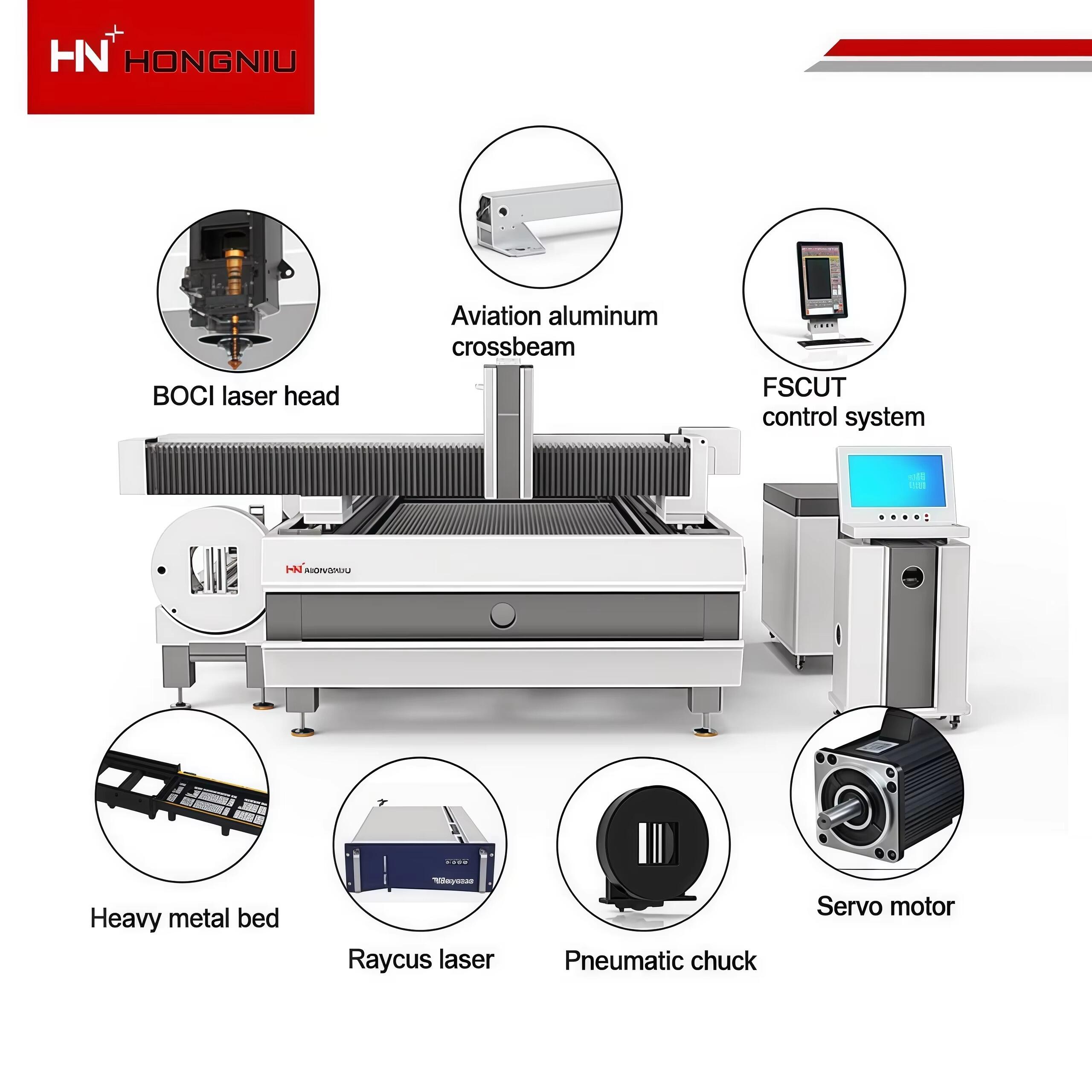
In the landscape of industrial manufacturing, the methodology used to shape metal defines the efficiency, precision, and profitability of the entire production line. For decades, traditional cutting methods—such as mechanical sawing, plasma cutting, and manual punching—were the workhorses of the shop floor. However, the emergence of the high-power Laser Cutting Machine has introduced a transformative alternative. By utilizing a concentrated beam of fiber-optic light to melt or vaporize material, these machines have set new benchmarks for what is possible in metal fabrication.
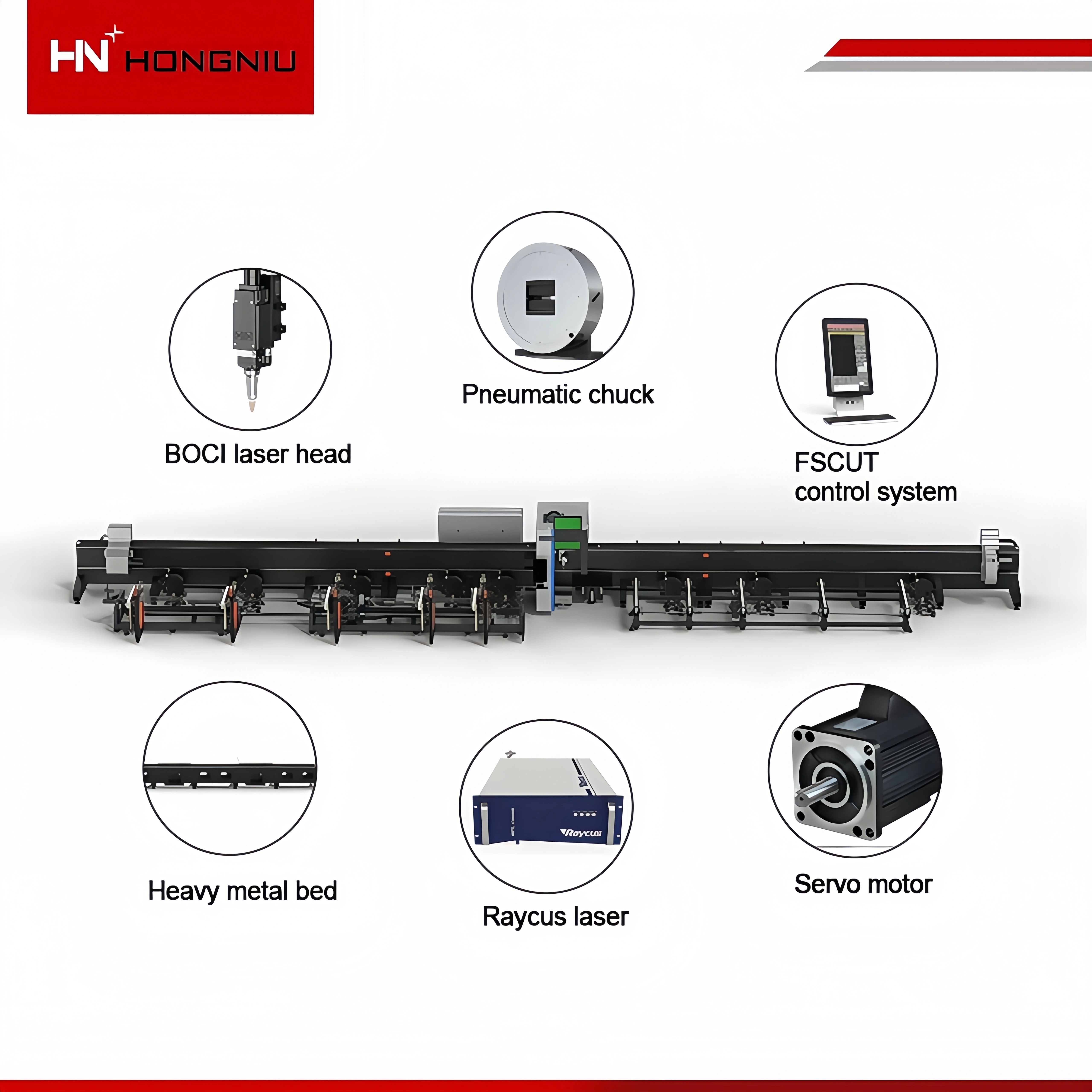
For B2B manufacturers, the transition from legacy systems to a Laser Cutting Machine is often driven by the need for higher throughput and tighter tolerances. Whether fabricating structural plates for heavy-duty welding systems or intricate components for automotive hardware, the technical differences between thermal light processing and mechanical force are profound. This guide explores the core distinctions between these technologies, helping industrial decision-makers understand why laser technology has become the essential choice for modern fabrication.
Precision and Geometric Versatility
The most significant limitation of traditional cutting methods is their reliance on physical tools. A mechanical saw or a punching die is limited by its own shape and physical dimensions. This makes the execution of complex curves, internal contours, and microscopic details extremely difficult and often requires multiple setups. In contrast, a Laser Cutting Machine follows a digital CAD path with sub-millimeter accuracy. Because the "tool" is a beam of light with a microscopic focal point, it can execute sharp internal corners and intricate geometries that traditional tools simply cannot reach.
This digital-first approach allows for a level of geometric freedom that has revolutionized part design. Engineers are no longer constrained by the limitations of a drill bit or a saw blade. In specialized manufacturing sectors—such as the production of industrial metal detectors or precision bottle cap molds—the ability to maintain a repeatable accuracy of $\pm$0.03mm ensures that every part is a perfect replica of the original design. This consistency eliminates the "drifts" in quality often associated with tool wear in traditional mechanical systems.
Non-Contact Processing and Material Integrity
Traditional cutting is an invasive, high-force process. Mechanical shearing and punching exert immense pressure on the metal sheet, which can lead to structural deformation, warping, or surface marring. To prevent the material from shifting, traditional methods require heavy clamping, which can further damage pre-polished or delicate surfaces. The Laser Cutting Machine provides a non-contact solution. Since there is no physical friction between the cutting head and the metal, the material remains free from mechanical stress throughout the entire process.
Thermal management is also significantly superior in laser systems. While plasma cutting generates a massive Heat Affected Zone (HAZ) that can alter the chemical properties of the metal edge, a fiber laser concentrates its energy into such a small area that the surrounding material remains cool. This is particularly crucial for industries like sports equipment manufacturing or automotive exhaust fabrication, where the metallurgical integrity of the metal must be preserved to ensure long-term durability and resistance to vibration.
Technical Performance Matrix: Laser vs. Traditional
The following table highlights the operational differences that define the performance of a modern Laser Cutting Machine compared to legacy fabrication methods.
| Feature | Laser Cutting Machine | Plasma Cutting | Mechanical Sawing/Punching |
| Cutting Precision | Ultra-High ($\pm$0.03mm) | Moderate ($\pm$1.0mm) | Low to Moderate |
| Processing Speed | Extremely High (Thin-Medium) | High (Thick only) | Low |
| Heat Affected Zone | Microscopic | Large | None (but mechanical stress) |
| Edge Quality | Smooth / Burr-Free | Rough / Slag Present | Jagged / Burrs Present |
| Material Yield | High (Narrow Kerf) | Moderate | Low (Wide Blade Gap) |
| Setup Flexibility | Instant Software Change | Moderate | Long (Physical Tool Change) |
| Reflective Metals | Excellent (Fiber Source) | Good | Difficult |
Operational Efficiency and Secondary Labor Reduction
A hidden cost center in traditional fabrication is the requirement for secondary processing. Parts cut by mechanical saws or plasma torches frequently exhibit burrs, dross, or jagged edges. Before these parts can move to the welding or painting department, they must undergo manual grinding, deburring, or sanding. This adds significant labor costs and extends the production cycle. A Laser Cutting Machine produces an edge so clean and perpendicular that it is typically "production-ready" the moment it is removed from the machine bed.
By eliminating the need for a secondary finishing department, manufacturers can significantly streamline their workflow. This is especially evident in the production of high-end hardware or industrial wire bending machines, where the aesthetic and functional quality of the edge is paramount. The reduction in labor hours per part allows firms to reallocate their skilled workforce to more complex assembly tasks, effectively increasing the total output of the factory without increasing the headcount.
Material Optimization and Waste Management
In any B2B fabrication environment, material utilization directly impacts the bottom line. Traditional mechanical cutting requires significant "webbing" or space between parts to maintain the structural integrity of the sheet during the impact of a punch or the vibration of a saw. This results in a high percentage of scrap metal. Because a laser exerts no physical force, parts can be nested extremely close together—a process known as "common-line cutting"—where one laser pass serves as the boundary for two parts.
Furthermore, the "kerf" or the width of the material removed by a laser is microscopic compared to the wide gap left by a saw blade or a plasma torch. This precision allows manufacturers to extract more parts from a single sheet of metal, which is particularly valuable when processing expensive alloys like copper, brass, or high-grade stainless steel. Over the course of a year, the material savings provided by a laser system can often cover a significant portion of the machine's operational costs.
Long-Term Reliability in Heavy Industrial Use
While the initial investment in a laser system may be higher than traditional tools, the total cost of ownership (TCO) is considerably lower due to the machine's reliability. Traditional machines with many moving parts and high-friction components require frequent lubrication, calibration, and part replacement. Fiber lasers, being solid-state systems, have no moving mirrors or complex gas-mixing resonators. The laser source itself is often rated for over 100,000 hours of operation, ensuring decades of consistent performance.
This reliability makes the laser the ideal choice for 24/7 industrial environments. Whether the facility is producing components for ball manufacturing machinery or heavy structural frames for welding systems, the laser maintains its precision shift after shift. For B2B suppliers, this means the ability to guarantee delivery timelines and quality standards to their clients, fostering long-term partnerships built on the back of a dependable, high-efficiency production engine.
Frequently Asked Questions (FAQ)
Can a laser cutting machine replace a mechanical punch for all applications?
While a laser is more versatile, a mechanical punch can still be faster for very simple, repetitive shapes like basic washers in thin materials. However, for any part that requires complex geometries, multiple hole sizes, or high-quality edges, the laser is significantly more efficient and cost-effective in the long run.
Why is laser cutting considered safer than traditional methods?
Laser systems are typically fully enclosed with protective glass and automated sensors. Unlike open saws or mechanical presses that pose a high risk of operator injury from moving parts or sharp debris, a laser machine isolates the cutting process, significantly improving workplace safety and reducing insurance risks for the manufacturer.
Is it difficult to train operators to move from traditional tools to lasers?
Modern laser systems use intuitive CNC interfaces that are very similar to other digital manufacturing tools. An operator familiar with basic CAD/CAM principles can usually be trained to operate a laser machine within a few days, which is often faster than learning the nuances of manual mechanical fabrication.
Does laser cutting work on all traditional fabrication materials?
Fiber lasers are exceptionally effective on carbon steel, stainless steel, aluminum, brass, and copper. While traditional methods might struggle with the reflectivity of copper or the hardness of certain alloys, the fiber laser processes these with ease, making it more versatile than most traditional cutting tools.
How does nesting software specifically improve profit margins?
Nesting software takes a digital inventory of all the parts you need to cut and arranges them on the sheet to minimize scrap. Because the laser cut is so thin, the software can rotate and interlock parts in ways that a mechanical saw or punch cannot, often saving 10% to 15% in raw material costs annually.
