Get a Free Quote

Our representative will contact you soon.
Email
Name
WhatsApp
Company Name
Message
0/1000

What Materials Can a Laser Cut Machine Process?

2026-02-13 15:30:00
What Materials Can a Laser Cut Machine Process?

Modern manufacturing facilities rely heavily on precision cutting technologies to meet demanding production requirements across various industries. A laser cut machine stands at the forefront of these advanced manufacturing solutions, offering unparalleled versatility when processing diverse materials. Understanding the full scope of materials that these sophisticated systems can handle is crucial for manufacturers seeking to optimize their production capabilities and expand their service offerings in today's competitive marketplace.

The remarkable adaptability of laser cutting technology stems from its fundamental operating principle, where a highly concentrated beam of light generates intense heat to melt, vaporize, or burn through material surfaces. This process enables manufacturers to achieve clean, precise cuts across an extensive range of materials with minimal waste and exceptional edge quality. The ability to process multiple material types with a single system represents a significant advantage for businesses looking to streamline their operations while maintaining high production standards.

Metal Processing Capabilities

Ferrous Metal Cutting Excellence

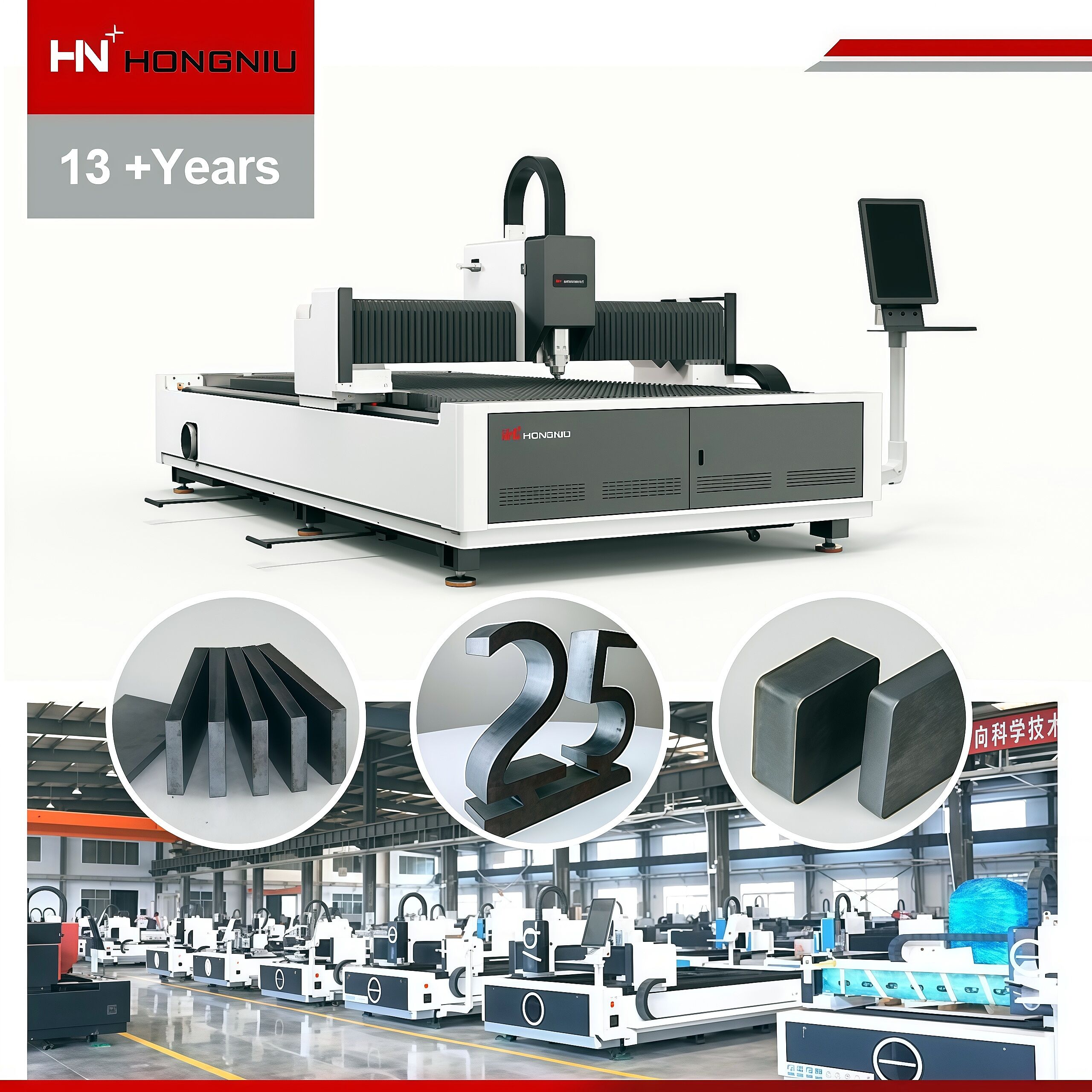
Steel materials represent one of the most common applications for laser cut machine technology, with systems capable of processing various steel grades with remarkable precision. Carbon steel cutting remains a primary strength of fiber laser systems, offering clean cuts through thicknesses ranging from thin gauge sheets to heavy plate materials exceeding 25 millimeters. The high absorption rate of fiber laser wavelengths by ferrous metals ensures efficient energy transfer and rapid processing speeds.

Stainless steel processing presents unique challenges that laser cutting technology addresses effectively through precise power control and optimized cutting parameters. The material's thermal properties require careful heat management to prevent excessive heat-affected zones while maintaining cut quality. Advanced laser cut machine systems incorporate sophisticated cooling mechanisms and pulse control features to achieve superior results across different stainless steel grades, from austenitic to duplex varieties.

Tool steels and hardened materials benefit from the non-contact nature of laser processing, eliminating mechanical stress that could potentially crack or damage these expensive materials. The precise heat input control available with modern systems allows for cutting of pre-hardened steels without compromising their metallurgical properties, making laser cutting an ideal choice for precision tooling and die-making applications.

Non-Ferrous Metal Applications

Aluminum cutting represents a significant growth area for laser processing, despite historical challenges related to the material's high reflectivity and thermal conductivity. Contemporary fiber laser systems overcome these obstacles through higher power densities and improved beam quality, enabling efficient processing of aluminum alloys commonly used in aerospace, automotive, and architectural applications. The elimination of tool wear associated with mechanical cutting methods provides substantial cost savings when processing large volumes of aluminum components.

Copper and brass materials require specialized laser cut machine configurations due to their exceptional thermal conductivity and high reflectivity characteristics. Advanced systems employ specific wavelengths and power delivery methods to achieve reliable cutting results in these challenging materials. The electronics industry particularly benefits from laser cutting capabilities for copper bus bars, heat sinks, and precision electrical components where traditional machining methods may introduce unwanted burrs or dimensional variations.

Titanium processing showcases the true capabilities of precision laser cutting technology, as this aerospace-grade material demands exceptional cut quality and minimal heat-affected zones. The biocompatibility and corrosion resistance of titanium make it invaluable for medical device manufacturing, where laser cutting provides the precision required for intricate surgical instruments and implantable devices. The non-contact processing nature eliminates contamination risks associated with conventional cutting methods.

photobank (6).jpg

Non-Metal Material Processing

Polymer and Plastic Applications

Acrylic materials demonstrate excellent compatibility with laser cutting processes, producing flame-polished edges that eliminate secondary finishing operations. The transparent nature of acrylic allows for creative applications in signage, displays, and architectural elements where edge quality directly impacts aesthetic appeal. A well-configured laser cut machine can process acrylic sheets with thicknesses ranging from thin films to substantial blocks while maintaining optical clarity at cut edges.

Engineering plastics such as polycarbonate, polyethylene, and polypropylene require careful parameter optimization to prevent melting or thermal degradation during the cutting process. The precision control available with modern laser systems enables processing of these materials for packaging applications, gaskets, and technical components where dimensional accuracy is paramount. The ability to cut complex geometries without mechanical tooling provides significant advantages in prototype development and short-run production scenarios.

Composite materials combining plastic matrices with fiber reinforcements present unique cutting challenges that laser technology addresses effectively. Carbon fiber reinforced plastics, fiberglass composites, and other advanced materials benefit from the precise heat input control that prevents delamination and fiber fraying. The aerospace and automotive industries rely heavily on these capabilities for processing lightweight structural components and aesthetic panels.

Organic Material Processing

Wood processing applications have expanded significantly with the development of laser cut machine systems specifically optimized for organic materials. Hardwoods, softwoods, and engineered wood products can be cut with exceptional detail and minimal charring when proper ventilation and parameter settings are employed. The furniture industry, architectural millwork, and craft applications benefit from the ability to create intricate patterns and joinery details impossible to achieve through conventional woodworking methods.

Leather cutting represents a traditional application that has been revolutionized by laser technology, eliminating the need for expensive dies and enabling rapid prototyping of fashion accessories, upholstery, and technical leather goods. The precision possible with laser systems allows for complex nesting patterns that maximize material utilization while maintaining consistent quality across production runs. Automotive and furniture manufacturers particularly value the flexibility laser cutting provides for customization and design iterations.

Paper and cardboard processing capabilities extend laser cutting applications into packaging, graphics, and educational markets. The ability to cut, score, and perforate paper products with micron-level precision enables complex packaging designs and pop-up structures that would be prohibitively expensive to produce using traditional die-cutting methods. The elimination of tooling costs makes laser cutting economically viable for short-run packaging and prototyping applications.

Advanced Material Applications

Ceramic and Technical Materials

Technical ceramics present unique challenges for conventional machining due to their extreme hardness and brittleness, making laser cut machine technology an attractive alternative for precision processing. Advanced ceramics used in electronics, aerospace, and medical applications can be cut with minimal mechanical stress, reducing the risk of micro-cracking that could compromise component integrity. The non-contact nature of laser processing eliminates tool wear concerns while enabling complex geometric features.

Glass cutting applications have expanded beyond traditional scoring and breaking methods through the development of specialized laser systems optimized for transparent materials. Borosilicate glass, fused silica, and specialty optical glasses can be processed with exceptional edge quality suitable for precision optical components and laboratory glassware. The ability to cut curved profiles and create complex apertures makes laser processing invaluable for scientific instrument manufacturing.

Semiconductor materials including silicon wafers and compound semiconductors require ultra-precise cutting capabilities that laser technology provides without the particle contamination associated with mechanical dicing saws. The electronics industry relies on these capabilities for processing integrated circuits, solar cells, and microelectromechanical systems where dimensional tolerances measured in microns are routine requirements.

Textile and Fabric Processing

Natural and synthetic fabrics benefit from laser cut machine processing through sealed edge cutting that prevents fraying and eliminates the need for hemming in many applications. The fashion industry has embraced laser cutting for creating intricate patterns, decorative perforations, and precise component cutting for high-end garments. Technical textiles used in automotive, aerospace, and medical applications require the precision and consistency that laser processing provides.

Filtration media and nonwoven materials used in industrial applications can be cut to precise specifications without compression or distortion that might affect their performance characteristics. The automotive industry utilizes these capabilities for cabin air filters, while medical applications benefit from precise cutting of surgical drapes and disposable medical textiles. The ability to process multiple layers simultaneously increases productivity while maintaining dimensional accuracy.

Coated fabrics and laminates present complex cutting challenges due to their multi-layer construction and varying thermal properties. Laser systems equipped with appropriate process control can cut through these materials while maintaining adhesion between layers and preventing delamination. Applications include architectural membranes, protective clothing, and flexible electronics substrates where maintaining the integrity of multiple layers is crucial.

Process Optimization and Material Considerations

Thickness Limitations and Capabilities

The maximum thickness capability of any laser cut machine depends on several factors including laser power, material type, and required cut quality. Steel materials typically represent the thickest processing capability, with high-power fiber systems cutting carbon steel up to 50 millimeters thick under optimal conditions. Stainless steel thickness capabilities are generally somewhat less due to thermal conductivity considerations, while aluminum thickness limits are further reduced due to reflectivity challenges.

Non-metal materials often have different thickness limitations based on thermal properties rather than simply laser power requirements. Acrylic materials can be processed in substantial thicknesses exceeding 100 millimeters, while maintaining excellent edge quality and optical clarity. Wood materials are typically limited by flammability considerations and the need for effective fume extraction rather than pure cutting capability.

Thin material processing presents unique challenges related to heat dissipation and edge quality, particularly for materials less than 0.5 millimeters thick. Specialized fixturing and process parameters are often required to prevent thermal distortion and achieve acceptable dimensional accuracy. The laser cut machine must be equipped with appropriate beam delivery systems and motion control to handle the rapid processing speeds required for thin gauge materials.

Cut Quality and Surface Finish

Surface finish quality varies significantly between different materials and processing parameters, with steel materials typically achieving the smoothest cut surfaces when properly optimized. The formation of striations or roughness patterns can be controlled through careful adjustment of cutting speed, power, and assist gas parameters. Understanding these relationships is crucial for achieving consistent quality across different material types and thicknesses.

Heat-affected zone minimization becomes particularly important when processing materials sensitive to thermal input, such as hardened tool steels or precision electronic components. Advanced laser cut machine systems incorporate features such as beam shaping, pulse control, and adaptive power regulation to minimize thermal effects while maintaining cutting efficiency. These capabilities are essential for applications where material properties must be preserved in the vicinity of cut edges.

Edge perpendicularity and dimensional accuracy requirements vary significantly between applications, with some requiring near-perfect square cuts while others can tolerate slight draft angles. The ability to adjust beam focus position and cutting parameters allows optimization for specific geometric requirements. Precision applications such as aerospace components may require post-process inspection and qualification procedures to ensure compliance with stringent dimensional tolerances.

FAQ

What factors determine if a material can be processed by a laser cut machine

The primary factors determining material compatibility include thermal properties, absorption characteristics at the laser wavelength, and the material's response to rapid heating. Materials must be able to absorb sufficient laser energy to reach melting or vaporization temperatures, while maintaining structural integrity during the cutting process. Chemical composition, thickness, and required cut quality also influence whether a specific material can be effectively processed using laser cutting technology.

How does material thickness affect laser cutting performance and quality

Material thickness directly impacts cutting speed, required laser power, and achievable cut quality, with thicker sections generally requiring more power and slower processing speeds. As thickness increases, maintaining consistent cut quality becomes more challenging due to beam divergence and heat accumulation effects. Very thin materials may require specialized processing parameters to prevent thermal distortion, while extremely thick sections may approach the practical limits of laser cutting technology for specific material types.

Can a laser cut machine process multiple different materials without modification

Modern laser cut machine systems are designed with flexibility to process various materials through parameter adjustment and appropriate assist gas selection, though some materials may require specialized accessories or process optimization. The key is having sufficient power range, proper beam delivery optics, and comprehensive process databases that provide starting parameters for different material types. However, optimal results often require fine-tuning based on specific material grades and application requirements.

What safety considerations apply when processing different materials with laser cutting

Safety requirements vary significantly between material types, with some generating toxic fumes requiring specialized ventilation systems while others may produce flammable vapors needing explosion prevention measures. Reflective materials can create hazardous beam reflections, while certain plastics may release corrosive gases that can damage equipment. Proper fume extraction, personal protective equipment, and material-specific safety procedures are essential for safe operation across the full range of laser-processable materials.