 EN
EN

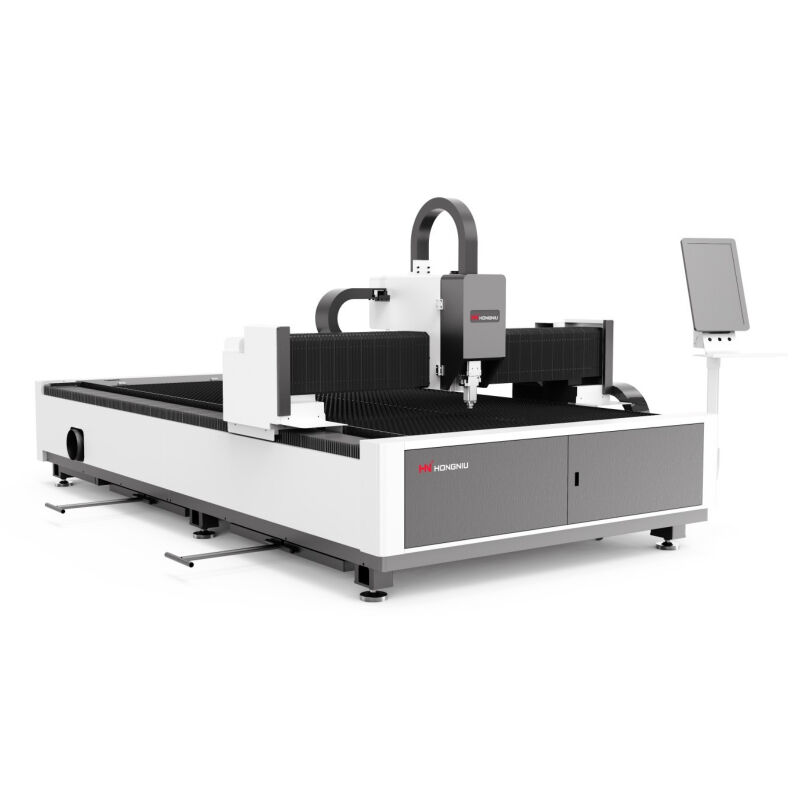
Ზუსტი მეტალის დამუშავება თანამედროვე წარმოების გარემოში increasingly critical ხდება, სადაც მილიმეტრის წილებით გაზომილი დაშვებები განსაზღვრავს პროდუქის წარმატებას ან ჩვენებას. მეტალის ლაზერული კვეთა წარმოადგენს ერთ-ერთ ყველაზე თანამედროვე ამონახსნს გასაორმაგებლად გასაუმჯობესებლად და მაღალი წარმოების სიჩქარის შესანარჩუნებლად. ეს cutting-edge ტექნოლოგია იყენებს კონცენტრირებულ ლაზერულ სხივებს სხვადასხვა მეტალის მასალის გასაჭრელად უპრეცედენტო სიზუსტით, რაც ქმნის გასუფთავებულ კიდეებს და რთულ ნიმუშებს, რომლებიც ტრადიციული კვეთის მეთოდებით მიღწევა რთულია. წარმოების საშენ საშუალებები სხვადასხვა ინდუსტრიაში ამის გაგებენ, თუ როგორ შეუძლია მეტალის ლაზერულმა კვეთას მოახდინოს ოპერაციების გარდაქმნა, უზრუნველყოს უმჯობესი შედეგებით ნარჩენების და ექსპლუატაციური ხარჯების შემცირებით.
Მეტალის ლაზერული კვეთის ტექნოლოგიის ძირეული პრინციპები
Ლაზერული სხივის გენერირება და ფოკუსირების მექანიზმები
Ნებისმიერი მეტალის ლაზერული მკვეთის ძირეული ფუნქციონირება დამოკიდებულია კოჰერენტული სინათლის სიმაღლეში კონცენტრირებული სხივის გენერირებაზე, რომელიც მეტალის ზედაპირზე ფოკუსირებისას წარმოქმნის სიღრმეს სითბოს. თანამედროვე ბოჭკოვანი ლაზერული სისტემები ამ სხივის გენერირებას ხორციელებენ იტერბიუმის მსგავსი იშვიათი ქვემოქმედი ელემენტებით დამჟრავი ოპტიკური ბოჭკოების შიგნით წარმოქმნილ წამოწუხებულ ემისიის პროცესების საშუალებით. მიღებული ლაზერული სხივი გადაადგილდება საშუალებით განვითარებული ოპტიკური სისტემებით, რომლებიც ენერგიას აფოკუსირებენ საკმაოდ პატარა წერტილში, რომლის დიამეტრი ჩვეულებრივ 0.1-დან 0.3 მილიმეტრამდე მერყეობს. ამ კონცენტრირებული ენერგიის სიმჭიდროვე საშუალებას აძლევს მეტალის ლაზერულ მკვეთს მიაღწიოს 10,000 გრადუს ცელსიუსზე მეტ ტემპერატურას კვეთის წერტილში და მაშინვე აორთქლოს მეტალის მასალა მის გზაზე.
Დამუშავების ზუსტი სისტემები იყენებს სივრცის ხარისხის შესანარჩუნებლად ზუსტ ლინზებს და სარკეებს მთელი ჭრის პროცესის განმავლობაში, რაც უზრუნველყოფს ენერგიის თანაბარ განაწილებას ჭრის მთელ ზოლზე. ფოკუსური მანძილი და სხივის დიამეტრი შეიძლება დაგეხმაროს ჭრის სისტემის ოპტიმიზაციაში სხვადასხვა მეტალის სისქისა და მასალის ტიპისთვის. კომპიუტერით კონტროლირებადი ფოკუსირების მექანიზმები ავტომატურად აკორექტირებენ ამ პარამეტრებს დაგეგმვის მიხედვით ჭრის პროფილებზე დაყრდნობით, რაც უზრუნველყოფს ჭრის ოპტიმალურ პირობებს მასალის განსხვავებების ან ნაწილის სირთულის მიუხედავად.
Მასალის ურთიერთქმედება და თერმული დინამიკა
Როდესაც ლაზერული ენერგია ხვდება მეტალის ზედაპირს, წარმოიქმნება სითბური დინამიკის სისტემა, რომელიც განსაზღვრავს ჭრის ხარისხს და კიდეების მახასიათებლებს. მეტალის ლაზერული ჭრის დროს წარმოიქმნება ადგილობრივი დნობის ზონა, სადაც მასალა გადადის მყარი მდგომარეობიდან თხევადში და შემდეგ აორთქლებადი ფაზისკენ, ენერგიის სიმჭიდროვისა და ზემოქმედების დროის მიხედვით. ჭრის გარშემო მდებარე თბოგავლენის ზონები მინიმალური რჩება ლაზერული ჭრის პროცესში დამახასიათებელი სწრაფი გათბობის და გაციების ციკლების გამო, რაც იძლევა მიმდებარე მასალის მეტალურგიული თვისებების შენარჩუნების საშუალებას.
Დამხმარე აირები მნიშვნელოვან როლს ასრულებენ მასალის ამოშლაში და ჭრის ხარისხის ოპტიმიზაციაში ლაზერული ჭრის დროს. ჟანგბადი უზრუნველყოფს წვის რეაქციებს, რომლებიც დამატებით თბოს გასცემენ სქელი ფოლადის ნაწილების ჭრისას, ხოლო აზოტი ქმნის ინერტულ გარემოს, რომელიც აირიდებს ოქსიდაციას და ქმნის სუფთა, ჟანგისგან თავისუფალ ჭრის კიდეებს. შეკუმშული ჰაერი კი წარმოადგენს ხარჯების თვალსაზრისით ეფექტურ ამონახსნს საერთო დანიშნულების ჭრისთვის, სადაც ჭრის კიდეების ხარისხის მოთხოვნები ნაკლებად მკაცრია.
Მანქანების წარმოების პროცესში ზუსტობის უპირატესობები
Განზომილებითი სიზუსტე და ხელმეორებადობა
Წარმოების ოპერაციები მოითხოვს მუდმივ განზომილებით სიზუსტეს წარმოების სერიების განმავლობაში, ხოლო ლაზერული ლითონის კვეთა განსაკუთრებულად კარგად უმკლავდება ზუსტი შედეგების მიღებას მკაცრი დაშვების დიაპაზონში. თანამედროვე მოძრაობის კონტროლის სისტემები იყენებს სერვო ძრავებს და წრფივ ენკოდერებს, რათა კვეთის თავები დაიმაგრონ ±0,025 მილიმეტრის სიზუსტით, რაც უზრუნველყოფს იმას, რომ თითოეული ნაჭერი სრულიად შეესაბამებოდეს დაპროგრამებულ სპეციფიკაციებს. ასეთი დონის სიზუსტე ბევრ შემთხვევაში ამოიღებს საჭიროებას დამატებითი მექანიკური დამუშავების ჩატარებისა, რაც კლებს წარმოების დროს და დაკავშირებულ ხარჯებს.
Ტემპერატურული კომპენსაციის სისტემები თბური გაფართოების გათვალისწინებით ავტომატურად აკეთებენ კვეთის პარამეტრების გასწორებას მანქანის კომპონენტებში და დეტალებში, რაც ხანგრძლივი წარმოების მანძილზე სიზუსტის შენარჩუნებას უზრუნველყოფს. რეალურ დროში მონიტორინგის სისტემები უწყვეტლად თვალთ ადევნებენ კვეთის თავის პოზიციას და სხივის მიმართულებას, ასრულებენ მიკრო-კორექტირებას სიზუსტის შესანარჩუნებლად. ეს ინტეგრირებული ხარისხის კონტროლის ზომები უზრუნველყოფს მეტალის ლაზერული მანქანის მუდმივ წარმადობას გარემოს პირობების ან ოპერატორის კვალიფიკაციის დონის მიუხედავად.
Კიდის ხარისხი და ზედაპირის დამუშავების მახასიათებლები
Ლაზერული მეტალის ჭრის წიბურის ხარისხი ხშირად აღემატება ტრადიციული მექანიკური ჭრის მეთოდების ხარისხს, გამოირჩევა გლუვი ზედაპირებით და მინიმალური თბოგავლენის ზონებით. ლაზერული ჭრა ქმნის პერპენდიკულარულ კიდეებს მინიმალური კონუსურობით, როგორც წესი, 0,1 გრადუსზე ნაკლები თითო მხარეს, რაც ბევრ შემთხვევაში აცილებს მომდევნო კიდის მომზადების საჭიროებას. ზედაპირის დამუშავების ხარისხი ხშირად აღწევს Ra-ს 3 მიკრომეტრზე ნაკლებ მნიშვნელობებს, რაც უზრუნველყოფს შედუღებას ან შეკრებას მზად მდგომარეობაში.
Ლაზერით ჭრილი კიდეების მიკროსკოპური გამოკვლევა აჩვენებს ხაზებს, რომლებიც პარალელურია ჭრის მიმართულებას და მიუთითებს კონტროლირებად მასალის ამოშლაზე, გარეშე მოჭრილი ან დეფორმირებული ნიშნების, რომლებიც ხშირია მექანიკური ჭრის პროცესებში. ხელსაწყოს ცვეთის გარეშეობა უზრუნველყოფს ჭრის ხარისხის სტაბილურობას მთელი წარმოების მანძილზე, განსხვავებით მექანიკური ჭრის მეთოდებისგან, სადაც პროგრესიული ხელსაწყოს დეგრადაცია დროთა განმავლობაში ზეგავლენას ახდენს ჭრის ხარისხზე.
Მოწინავე კონტროლის სისტემები და ავტომატიზაცია
Კომპიუტერული ციფრული კონტროლის ინტეგრაცია
Თანამედროვე ლაზერული მეტალის კვეთის სისტემები ინტეგრირებული აქვთ საკმაოდ მოწინავე კომპიუტერული რიცხვითი კონტროლის შესაძლებლობები, რომლებიც უზრუნველყოფს რთული გეომეტრიის ნაწილების და ავტომატიზებული წარმოების მიმდევრობის შექმნას. CAD/CAM პროგრამული უზრუნველყოფა ინჟინერიის ნახაზებს პირდაპირ თარგმნის მანქანის კონტროლის კოდებში, რაც ამცირებს ხელით პროგრამირების საჭიროებას და მნიშვნელოვნად შეამსუბუქებს მორგების დროს. განვითარებული ნესტინგის ალგორითმები ამაღლებს მასალის გამოყენების ეფექტიანობას, რადგან რამდენიმე ნაწილის განლაგებას უზრუნველყოფს ერთ ფურცელში, რაც ამცირებს ნარჩენებს და ამაღლებს წარმოების პროდუქტიულობას.
Ავტომატური პარამეტრების შერჩევის სისტემები ანალიზის უზრუნველყოფს ნაწილის გეომეტრიისა და მასალის სპეციფიკაციების მიხედვით, რათა განსაზღვროს ოპტიმალური კვეთის პირობები, როგორიცაა ლაზერის სიმძლავრე, კვეთის სიჩქარე და დამხმარე აირის წნევა. ეს ინტელექტუალური სისტემები განიხილავს ფაქტორებს, როგორიცაა მასალის სისქე, კუთხის რადიუსი და დეტალურობის სიხშირე, რათა დაადგინოს კვეთის პარამეტრები, რომლებიც წარმოების სიჩქარეს და ხარისხის მოთხოვნებს შორის ამყარებს ბალანსს. ლითონის ლაზერული მჭრელი ასეთი დამატებითი კონტროლით აღჭურვილი სისტემები შეუძლია მინიმალური ადამიანური ჩარევით მუშაობა, ხოლო ხარისხის სტანდარტების მუდმივობა შეინარჩუნონ.
Ხარისხის მონიტორინგი და პროცესის კონტროლი
Მეტალის ლაზერულ გასმასთან ინტეგრირებული რეალური დროის პროცესის მონიტორინგის სისტემები უწყვეტლად აფასებენ გასამის პირობებს და აკორექტირებენ პარამეტრებს ოპტიმალური შედეგის მისაღებად. ოპტიკური სენსორები აკონტროლებს პლაზმის გამოსხივების მახასიათებლებს გასამის დროს, რათა მიიღონ ინფორმაცია მასალის ამოღების სიჩქარეზე და შესაძლო ხარისხის პრობლემებზე, სანამ ის დამთავრებულ ნაწილებზე იმოქმედებს. აკუსტიკური მონიტორინგის სისტემები ამჩნევს ხმოვან ცვლილებებს გასამის დროს, რაც შეიძლება მიუთითებდეს პარამეტრების გადახრაზე ან მასალის არაერთგვაროვნებაზე.
Სტატისტიკური პროცესის კონტროლის ფუნქციები თანდათანობით აკვირდება ჭრის შესრულებას, განსაზღვრავს მიმდინარე ტენდენციებს, რომლებიც შეიძლება მიუთითებდნენ შეკვეთის საჭიროებაზე ან პარამეტრების გადახრაზე. ეს სისტემები წარმოების მეტრიკების, ხარისხის გაზომვების და მანქანის გამოყენების სტატისტიკის შესახებ სრულყოფილ ანგარიშებს აგენერირებენ, რაც უზრუნველყოფს უწყვეტი გაუმჯობესების ინიციატივებს და პროგნოზირებადი შეკვეთის პროგრამებს.
Მასალის საშუალება და გამოსაобработვის შესაძლებლობები
Ფოლადისა და ღირსი ფოლადის დამუშავება
Ფოლადის მასალები წარმოადგენს ლაზერული მეტალის ჭრის სისტემების ყველაზე გავრცელებულ გამოყენებას, რომლის შესაძლებლობები ვრცელდება თხელი გაფართოების ფოლადიდან 25 მილიმეტრზე მეტი სისქის მქონე მაღალი ნაწილების ჩათვლით. ნახშირბადის ფოლადი იჭრება ჟანგბადის დახმარებით, რაც წარმოქმნის დაჟანგულ კიდეებს, რომლებიც ხშირად მისაღებია სტრუქტურული გამოყენებისთვის ან შეიძლება იოლად გაწმინდეს შედუღების ოპერაციებისთვის. ჭრის სიჩქარე იცვლება მასალის სისქის მიხედვით, რაც თხელ ნაწილებში აღემატება 15 მეტრს წუთში, ხოლო კიდეების ხარისხი არაჩვეულებრივად მაღალი რჩება.
Ფოლადის დამუშავება მოითხოვნს აზოტის დახმარებას ქრომის ოქსიდაციის თავიდან ასაცილებლად და კოროზიის წინააღმდეგობის მახასიათებლების შენარჩუნებით. ლაზერული მეტალის კვეთა წარმოქმნის მკვეთრ, ოქსიდის გარეშე ნაპრალებს ფოლადზე, რომლებიც უმეტეს შემთხვევაში დამატებით დამუშავების გარეშე გამოიყენებიან. სპეციალური კვეთის პარამეტრები შესაძლებლობას აძლევენ გაართობეს სხვადასხვა სახის ფოლადის შენაერების კვეთას, სტანდარტული აუსტენიტური ტიპებიდან დაწყებული მაღალი მიმზიდულობის შენაერებამდე, რომლებიც გამოიყენებიან აეროკოსმოსურ აპლიკაციებში.
Არაფეროზული ლითონის გამოყენება
Ალუმინის კვეთა წარმოადგენს მნიშვნელოვან გამოყენების სფეროს ლაზერული მეტალის კვეთის ტექნოლოგიისთვის, მიუხედავად მასალის მაღალი რეფლექტიურობისა და თერმული გაცვლის მახასიათებლების. თანამედროვე ბოჭკოვანი ლაზერული სისტემები აღმოძახებენ ამ გადართვებს მაღალი სიმძლავრის სიხშირის მიწოდებით და სპეციალური სხივის ფორმირების ტექნიკებით. აზოტის დახმარება თავიდან აიცილებს ოქსიდაციას, ხოლო შეკუმშული ჰაერი უზრუნველყოფს ხარჯების ეფექტურ ამოხსნას ალუმინის ზოგადი დანიშნულების კვეთისთვის.
Პირად და ლатუნის მასალების დამუშავებისთვის საჭიროა პარამეტრების ზუსტი გასაუმჯობესება, რადგან მათი გამტარობის უნარი სწრაფად აშორებს ლაზერულ ენერგიას კვეთის ზონიდან. მაღალი სიმძლავრის დონეები და შეცვლილი კვეთის ტექნიკები ხელს უწყობს ამ მასალების წარმატებულ დამუშავებას, რაც კიდევ უფრო გაავრცელებს მათ გამოყენებას ელექტრო კომპონენტებში, სანტექნიკაში და დეკორატიულ არქიტექტურულ ელემენტებში.
Ინდუსტრიული აპლიკაციები და გამოყენების შემთხვევები
Ავიაკოსმოსი და თავდაცვის მრეწველობა
Ავიაკოსმოსის წარმოება მოითხოვს ზუსტი და ხარისხის კონტროლის უმაღლეს დონეებს, რაც ხდის ლაზერული მეტალის კვრების ტექნოლოგიას აუცილებელს სამუშაო კომპონენტების დასამზადებლად. ტურბინული ლопატების წარმოება იყენებს ლაზერულ კვეთას რთული გაგრილების მიმდევრობისა და აეროდინამიური პროფილების შესაქმნელად, რომლებიც ზუსტად ათასეული ინჩით არის გაზომილი. ექსოტიკური შენადნობების, როგორიცაა Inconel და Hastelloy, დამუშავების უნარი ხელს უწყობს ლაზერული მეტალის კვრების გამოყენებას ძრავის კომპონენტების წარმოებაში ხელსაწყოთა ცვეთის გარეშე.
Სტრუქტურული ავიაციის კომპონენტები სარგებლობენ ლაზერული კვეთის უნარს, რომ წარმოქმნის სუფთა, პერპენდიკულარული კიდეებს, რაც ამოიღებს დატვირთულობის კონცენტრაციებს და შეამცირებს დაღლილობის ზედაპირის დაზიანების ადგილებს. ავიაციის დიზაინში წონის შემსუბუქების ინიციატივები ხშირად შეიცავენ რთულ შემსუბუქების ნიმუშებს და საფენისებურ სტრუქტურებს, რომლებიც ეფექტიანად მიიღება ლაზერული კვეთის პროცესებით. ტექნოლოგიის გადამზადება საშუალებას აძლევს სწრაფ პროტოტიპირებას და დიზაინის მოდიფიკაციებს ხარჯიანი ხელსაწყოების შეცვლის გარეშე.
Ავტომობილის ინდუსტრიის ინტეგრაცია
Ავტომომსახურების წარმოება მეტალის ლაზერული კვეთის სისტემებს მოიხმარს სხეულის პანელების, შასის კომპონენტების და აღმძრავი მექანიზმის ნაწილების წარმოებისთვის განსაკუთრებული სიზუსტით და გამეორებადობით. მაღალი მოცულობის წარმოების მოთხოვნები კმაყოფილდება ავტომატიზირებული მასალის მოძრაობის სისტემებით, რომლებიც უწყვეტ ლистურ ლითონის მიწოდებას უზრუნველყოფენ ლაზერული კვეთის სადგურებში. შტამპვის კალაპების ამოჭრის ოპერაციები გამარტივდება ლაზერული კვეთით, რაც ამოიღებს ტრადიციულ პუნჩინგის ოპერაციებს და შეამცირებს კალაპის ცვეთას.
Ელექტრომობილების წარმოება უნიკალურ შესაძლებლობებს გაუღია ხსნილს ლაზერული მეტალის დამჭრელი აპარატების გამოყენებისთვის, განსაკუთრებით ბატარეის საყრდენის დამზადების დროს, სადაც ზუსტი გაგრილების არხების ნიმუშები და სტრუქტურული მსუბუქი კონსტრუქციები გადამწყვეტ მნიშვნელობას ასახავს. ამ ტექნოლოგიის უნარი დააჭრას მაღალმად მდგრადი ფოლადის ხარისხები, საშუალებას აძლევს მიიღოს წონის შემსუბუქება, ხოლო სტრუქტურული მთლიანობის მოთხოვნები შენარჩუნდეს. პროტოტიპირების ოპერაციები სარგებლობენ სწრაფი შექცევის დროით, რაც ხელს უწყობს განვითარების ციკლების აჩქარებას კონკურენტულ ავტომობილების ბაზარზე.
Ეკონომიკური სარგებელი და ინვესტიციის შესაბამისი შემოსავალი
Ექსპლუატაციის ხარჯების შემცირება
Ლაზერული მეტალის დამჭრელი ტექნოლოგიაში ინვესტიციები ტიპიურად მნიშვნელოვან ექსპლუატაციურ ხარჯებში ეკონომიას იწვევს რამდენიმე ეფექტიანობის გაუმჯობესების და ნაგავის შემცირების ზომების შედეგად. ხმარებული ჭრის ინსტრუმენტების აღმოფხვრა აცილებს მუდმივ ხარჯებს ინსტრუმენტებზე და ამცირებს მანქანის დაყოვნებას, რომელიც დაკავშირებულია ინსტრუმენტების შეცვლასა და მოვლასთან. მასალის გამოყენების გაუმჯობესება დახვეწილი განლაგების პროგრამული უზრუნველყოფის საშუალებით შეიძლება შეამციროს ნედლი მასალის მოხმარება 10-15%-ით ტრადიციული ჭრის მეთოდების შედარებით.
Შრომის ხარჯების შემცირება დაკავშირებულია ავტომატიზებული ოპერაციების შესაძლებლობასთან, რომლებიც წარმოების დროს მინიმალურ ჩარევას მოითხოვს ოპერატორისგან. მორგების დროის შემცირება კომპიუტერით კონტროლირებადი პარამეტრების არჩევანის და ავტომატური ხელსაწყოების შეცვლის შესახებ მნიშვნელოვნად ამაღლებს მანქანების გამოყენების მაჩვენებელს. ხარისხის გაუმჯობესების სარგებელი მოიცავს ნაგავის გამოყენების შემცირებას და მეორადი ფინიშირების ოპერაციების გაუქმებას, რომლებიც ზრდიან ხარჯებს, მაგრამ არ ამატებენ ღირებულებას დამთავრებულ პროდუქებს.
Წარმოების მოქნილობა და ბაზრის რეაგირების უნარი
Ლაზერული მეტალის მკვრების სისტემების პროგრამირებადი ბუნება უზრუნველყოფს სწრაფ გადასვლას სხვადასხვა ნაწილების კონფიგურაციებს შორის ფიზიკური ხელსაწყოების მოდიფიკაციის გარეშე. ეს მოქნილობა ხელს უწყობს ზუსტ-დროს შესაბამისად წარმოების სტრატეგიებს და შეამცირებს წინასწარ მოჭრილი ნაწილების შენახვასთან დაკავშირებულ საწყობის ხარჯებს. პირადი შეკვეთების შესრულება ხდება ეკონომიკურად მომგებიანი მცირე რაოდენობისთვის კიდეც, რაც ვრცელდება ბაზრის შესაძლებლობებს და გამომშვების მომსახურების შესაძლებლობებს.
Ლაზერული მეტალის მკვრავის ტექნოლოგიის ხელმისაწვდომობა მნიშვნელად ამოკლებს პროტოტიპის განვითარების ციკლებს, რაც უფრო სწრაფ პროდუქის განვითარებასა და ბაზარზე შემოტანის ვადებს უზრუნველყოფს. შესაძლებელია დიზაინის ცვლილებების Non-დროულად განხორციელება ახალი ხელსაწყოების დამზადების მოლოდინის გარეშე, რაც ხელს უწყობს აგილური წარმოების მიდგომებს და კონკურებითური უპირატესობის შენარჩუნებას.
Ხშირად დასმული კითხვები
Რა სისქის მეტალს შეუძლია ლაზერული მკვრავი ეფექტიანად დამუშავება
Ლაზერული მეტალის მკვრავი შეუძლია დამუშავება სხვადასხვა სისქის მქონე მასალები, რომლის სისქე დამოკიდებულია მასალის ტიპზე და ლაზერის სიმძლავრეზე. ნახშიროვანი ფოლადის შემთხვევაში, ტიპიური დაჭრის შესაძლებლობა 0.5მმ-დან 25მმ-მდე მერყეობს სტანდარტული ბოჭკოვანი ლაზერული სისტემების შემთხვევაში. დაჭრის შესაძლებლობა ნიკელის ფოლადში ზოგადად უფრო თხელ ფენებზეა შეზღუდული, ტიპიურად 20მმ-მდე, რადგან განსხვავებული თერმული თვისებების გამო. ალუმინის დაჭრის შესაძლებლობა ჩვეულებრივ 15მმ-მდე ვრცელდება, ხოლო უფრო რეფლექტორული მასალები, როგორიცაა სპილენტი და ბრინჯაო, შეიძლება შეზღუდული იყოს 8-10მმ-ის გარშემო თხელ ფენებზე.
Ლაზერული დაჭრის შედარება პლაზმურ დაჭრასთან სიზუსტის მხრივ
Ლაზერული მეტალის დამჭრელი ტექნოლოგია პლაზმური დაჭრის სისტემებთან შედარებით მნიშვნელოვნად უფრო მაღალ სიზუსტეს გაძლევს. ლაზერული დაჭრის შეცდომა ჩვეულებრივ ±0,025 მმ-ში მოიაგებს, ხოლო პლაზმური დაჭრის შემთხვევაში ეს მაჩვენებელი შეადგენს ±0,5 მმ-დან ±1,5 მმ-მდე. ლაზერული დაჭრის დროს თბოგავლენილი ზონა მინიმალურია და ჩვეულებრივ ნაკლებია 0,1 მმ-ზე, მაშინოდრე პლაზმური დაჭრისას თბოგავლენილი ზონა შეადგენს 1-3 მმ-ს. ლაზერული დაჭრის წიბურის ხარისხი უმნიშვნელოდ აღემატება პლაზმური დაჭრის შედეგს, რადგან იმედოვნებს მინიმალურ ან საერთოდ არანაირ დამატებით დამუშავებას, სამაგიეროდ პლაზმურად დაჭრილ წიბურებს ხშირად სჭირდებათ გადამუშავება ან გადაჭრა.
Რა სახის მომსახურების მოთხოვნები არსებობს ლაზერული დაჭრის სისტემებისთვის
Მეტალის ლაზერული მკვრის რეგულარული მოვლა შეიცავს ოპტიკური კომპონენტების დღიურ გასუფთავებას, დახმარებითი აირის მიწოდების სისტემის კვირულ შემოწმებას და მკვრის თავის მიმართების თვიურ კალიბრაციას. ლაზერული წყაროს მოვლა ჩვეულებრივ გულისხმობს ტუმბის დიოდების შეცვლას 8,000-10,000 საათიანი ექსპლუატაციის შემდეგ. გაცივების სისტემის მოვლა შეიცავს ფილტრების შეცვლას და სითხის შეცვლას განსაზღვრული ინტერვალით. პრევენტიული მოვლის პროგრამები დახმარობენ უწყვეტი მაღალი ხარისხის მკვრას უზრუნველყოფას და უცელავ შეჩერების მინიმალურობას, როდესაც უმეტეს სისტემები ჩვეულებრივ მოითხოვენ 2-4 საათ მოვლას კვირაში ნორმალური წარმოების განრიგის დროს.
Შეიძლება თუ არა ლაზერული მკვრა ერთი და იმავე სეთქმაში გამოყენება სხვადასხვა სისქის მასალებისთვის
Თანამედროვე ლაზერული მეტალის კვეთის სისტემები შეძლებენ სხვადასხვა მასალის სისქის დამუშავებას ერთი და იმავე კონფიგურაციის ფარგლებში, პარამეტრების პროგრამირებადი კონტროლის საშუალებით. სისტემა ავტომატურად აწყობს ლაზერის სიმძლავრეს, კვეთის სიჩქარეს და ფოკუსირების პოზიციას მასალის სისქის მიხედვით, რომელიც წინასწარ არის შეყვანილი კვეთის პლანში. თუმცა, მნიშვნელოვანი სისქის განსხვავებების შემთხვევაში შეიძლება მოითხოვონ განსხვავებული დამხმარე აირის წნევები ან სადინრის კონფიგურაციები ოპტიმალური შედეგების მისაღებად. განვითარებულმა სისტემებმა შეიძლება შეინახონ რამდენიმე პარამეტრის ნაკრები და ავტომატურად გადართვა მათ შორის მრავალი სისქის კვეთის დროს, რათა შეინარჩუნონ ხარისხი ყველა სისქის დიაპაზონში.
Table of Contents
- Მეტალის ლაზერული კვეთის ტექნოლოგიის ძირეული პრინციპები
- Მანქანების წარმოების პროცესში ზუსტობის უპირატესობები
- Მოწინავე კონტროლის სისტემები და ავტომატიზაცია
- Მასალის საშუალება და გამოსაобработვის შესაძლებლობები
- Ინდუსტრიული აპლიკაციები და გამოყენების შემთხვევები
- Ეკონომიკური სარგებელი და ინვესტიციის შესაბამისი შემოსავალი
- Ხშირად დასმული კითხვები
