 EN
EN

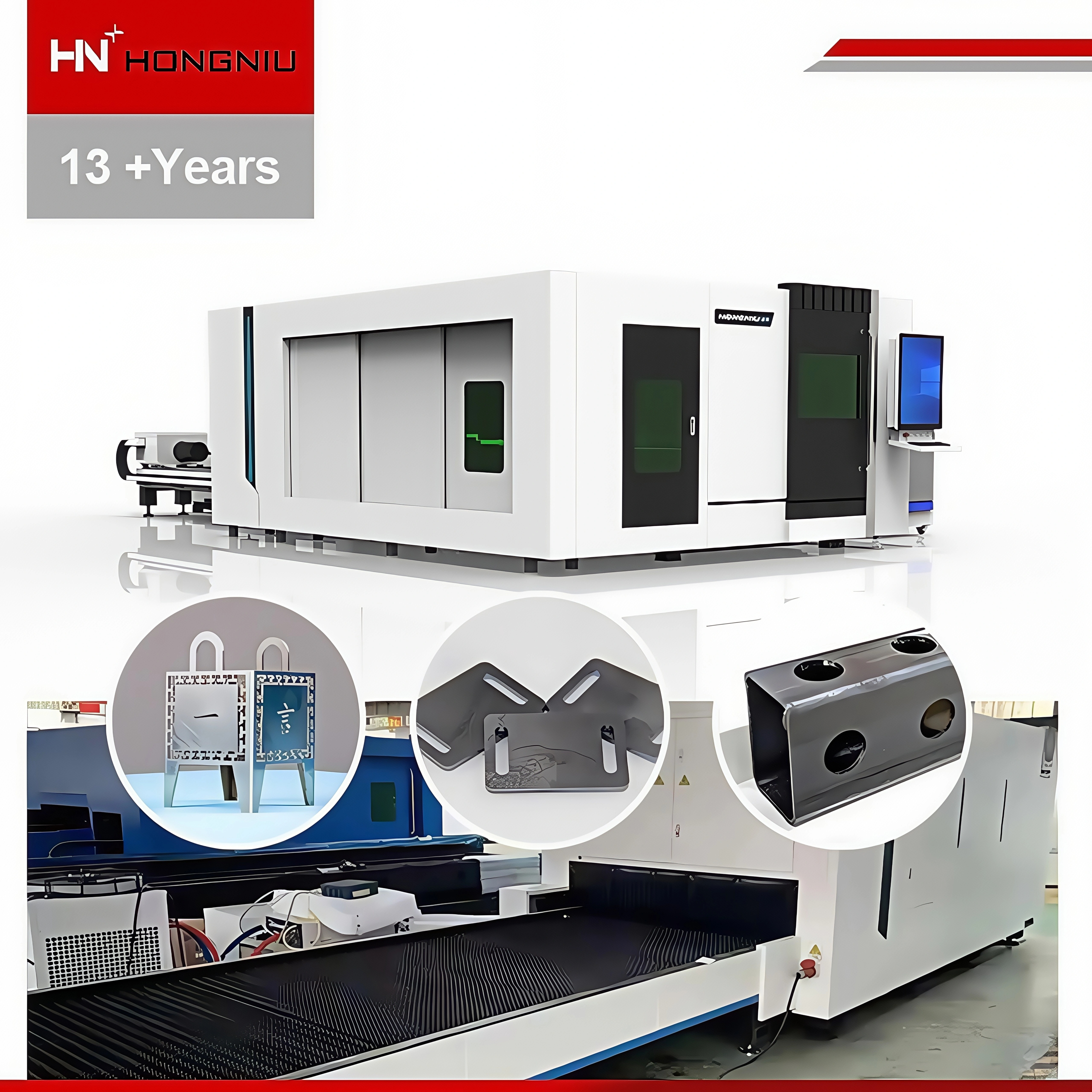
The landscape of industrial fabrication has undergone a seismic shift over the last decade, with one specific technology emerging as the undisputed leader: Fiber Laser technology. From automotive assembly lines to the precision-heavy world of aerospace, the transition from traditional CO2 lasers and mechanical cutting methods to fiber systems has been rapid and transformative. This dominance is not merely a result of marketing trends but is rooted in the fundamental physical advantages that fiber optics bring to material processing.
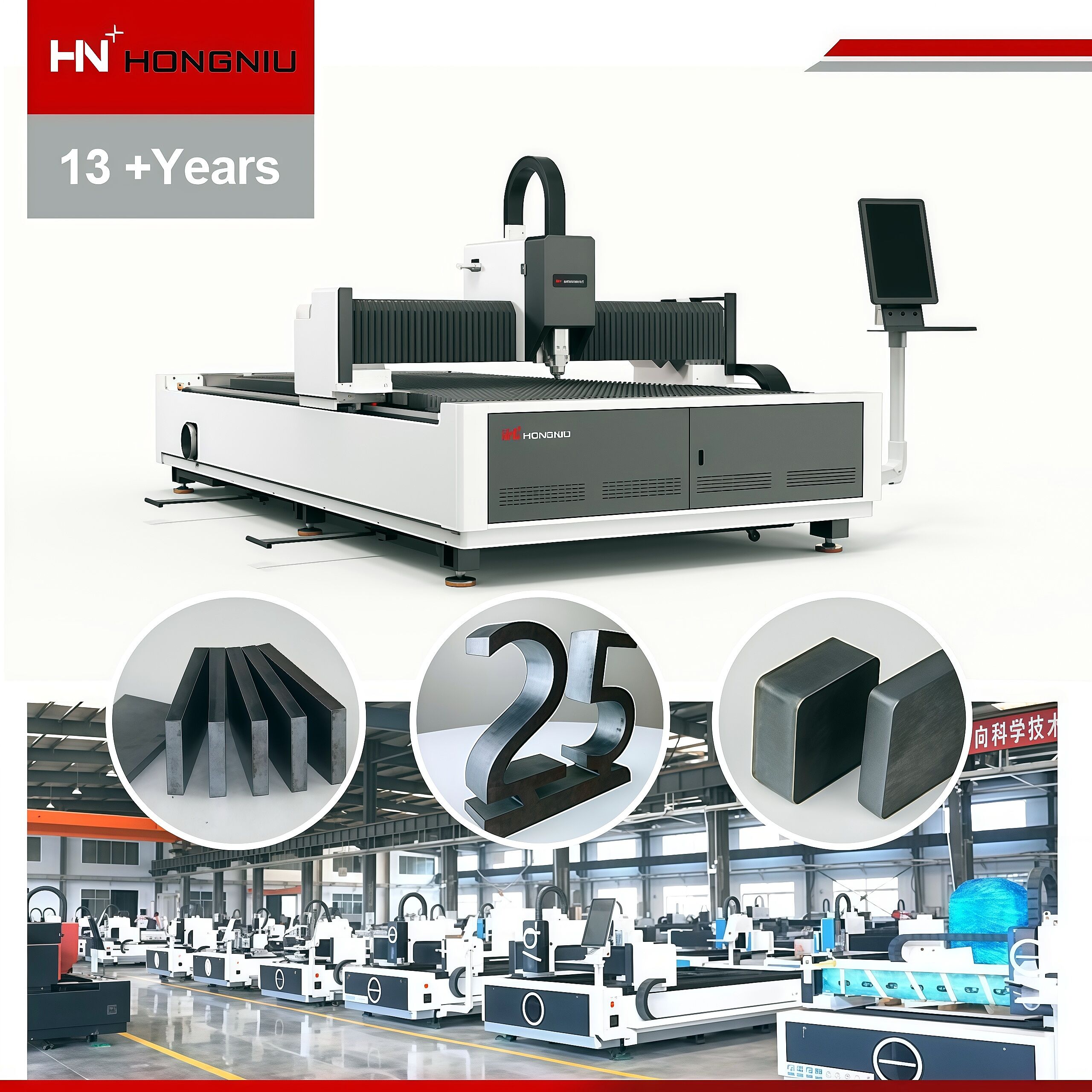
In high-stakes manufacturing environments, the criteria for success are rigid: higher speed, lower operational costs, and impeccable precision. Fiber Laser systems meet these demands by utilizing a solid-state gain medium rather than a gas mixture, allowing for a more stable, efficient, and powerful beam delivery. This article explores the technical and economic reasons why this technology has become the gold standard for modern industrial applications.
The Superior Efficiency of Fiber Laser Power Conversion
One of the primary drivers behind the widespread adoption of Fiber Laser systems is their remarkable Wall-Plug Efficiency (WPE). In manufacturing, energy consumption is a significant overhead cost. Traditional CO2 lasers are notoriously inefficient, often converting only about 8% to 10% of their electrical input into actual laser light. The rest is lost as heat, which then requires massive, power-hungry chilling units to manage.
In contrast, a modern Fiber Laser operates at efficiency levels of 30% to 40%. Because the laser light is generated within a doped optical fiber and remains contained within a closed system until it reaches the cutting head, energy loss is minimized. This efficiency creates a twofold benefit for the manufacturer: a significantly lower electricity bill and a smaller environmental footprint. Furthermore, the reduced heat generation means that the cooling requirements are much less intensive, allowing for a more compact machine footprint on the factory floor.
Unmatched Cutting Speed and Throughput
When comparing throughput in thin to medium-thickness materials, the Fiber Laser is vastly superior to any other cutting technology. The wavelength of a fiber laser is approximately 1.06 microns, which is ten times shorter than the wavelength of a CO2 laser. This shorter wavelength is more readily absorbed by metals, particularly reflective ones like aluminum, brass, and copper.
Because the energy is absorbed so efficiently, the laser can melt and vaporize the material much faster. In thin sheet metal processing (under 6mm), a fiber system can often cut at speeds three to four times faster than its CO2 counterpart. This increased velocity does not come at the expense of quality; the high power density allows for a narrow kerf and a very small heat-affected zone, ensuring that parts are produced with clean edges that require no secondary finishing.
Technical Comparison: Fiber Laser vs. Alternative Technologies
To visualize why the industry is pivoting so hard toward fiber technology, it is helpful to compare it against the legacy systems it is replacing. The following table highlights the key performance indicators that matter most to industrial stakeholders.
Industrial Cutting Technology Matrix
| Performance Metric | Fiber Laser Technology | CO2 Laser Technology | Plasma Cutting |
|---|---|---|---|
| Energy Efficiency | High (35%+) | Low (10%) | Moderate |
| Maintenance Needs | Minimal (No moving parts) | High (Mirror alignment) | Frequent (Consumables) |
| Reflective Metal Capability | Excellent (Copper/Brass) | Poor (Risk of damage) | Good |
| Thin Material Speed | Extremely Fast | Moderate | Fast |
| Beam Stability | High (Fiber-delivered) | Variable (Gas-dependent) | Low |
| Operating Cost/Hour | Lowest | High | Moderate |
Minimal Maintenance and Operational Reliability
In a 24/7 manufacturing cycle, downtime is the enemy of profitability. Legacy laser systems rely on a complex arrangement of internal mirrors, bellows, and high-purity gas mixtures to generate and direct the beam. These mirrors require frequent cleaning and precise alignment, tasks that often necessitate expensive service calls from specialized technicians.
A Fiber Laser eliminates these points of failure. The beam is generated in the fiber and delivered to the cutting head via a flexible armored cable. There are no mirrors to align and no laser gas to replenish. This "solid-state" design means the machine is inherently more rugged and less susceptible to the vibrations and dust typical of an industrial environment. Most fiber sources have a maintenance-free lifespan of over 100,000 hours, allowing manufacturers to focus on production rather than machine upkeep.
Versatility in Advanced Material Processing
The ability to process a wide range of materials with a single machine is a massive competitive advantage. Historically, metals like copper and brass were "off-limits" for laser cutting because their reflectivity would bounce the beam back into the laser source, causing catastrophic damage.
Fiber technology changed this dynamic. Due to the specific wavelength and the use of isolators within the fiber delivery system, a Fiber Laser can safely and accurately process highly reflective alloys. This has opened up new possibilities in the electrical and renewable energy sectors, where copper components are essential. Whether it is cutting intricate patterns in 1mm brass for jewelry or 25mm carbon steel for heavy machinery, the fiber system adapts its parameters to provide the optimal balance of speed and edge quality across all metallic substrates.
Lowering the Total Cost of Ownership (TCO)
While the initial investment in a high-power fiber system can be substantial, the Total Cost of Ownership (TCO) is significantly lower than that of any other precision cutting technology. The combination of high processing speeds and low maintenance costs results in a much lower "cost-per-part."
In the modern "just-in-time" manufacturing model, the ability to switch between different jobs quickly without physical tool changes or lengthy calibrations is vital. The digital nature of fiber systems allows for seamless integration with CAD/CAM software and Industry 4.0 IoT platforms. This connectivity enables real-time monitoring of machine health and material usage, further squeezing out inefficiencies and maximizing the return on investment for the shop owner.
Frequently Asked Questions (FAQ)
Is a Fiber Laser better than a CO2 laser for thick materials?
Historically, CO2 lasers held an advantage in cutting thick materials (over 20mm) due to their edge smoothness. However, modern high-power fiber lasers (12kW and above) have bridged this gap. With advanced beam shaping technology, fiber lasers now produce excellent edge quality on thick plates while maintaining much higher speeds than CO2 systems.
What is the expected lifespan of a Fiber Laser source?
Most leading fiber laser oscillators are rated for a lifespan of approximately 100,000 hours of operation. In a standard single-shift manufacturing environment, this equates to over 20 years of service life with minimal degradation in power output.
Can Fiber Lasers cut non-metallic materials like wood or acrylic?
Generally, no. The wavelength of a fiber laser is specifically optimized for absorption by metals. For organic materials like wood, leather, or certain plastics, the wavelength of a CO2 laser is actually more effective. Most industrial fiber machines are dedicated exclusively to metal processing.
Why is Nitrogen used as an assist gas in fiber cutting?
Nitrogen is used as a "shielding" or "shroud" gas to prevent oxidation during the cutting process. When cutting stainless steel or aluminum, Nitrogen ensures the edges remain bright and clean, which is essential for parts that require high-quality welding or painting immediately after cutting.
How difficult is it for an operator to transition from CO2 to Fiber?
The transition is typically very smooth. While the physics of the beam are different, the CNC interfaces and nesting software are very similar. In fact, because fiber lasers require less manual adjustment of the optics, many operators find them much easier to manage than older gas-based systems.
Table of Contents
- The Superior Efficiency of Fiber Laser Power Conversion
- Unmatched Cutting Speed and Throughput
- Technical Comparison: Fiber Laser vs. Alternative Technologies
- Minimal Maintenance and Operational Reliability
- Versatility in Advanced Material Processing
- Lowering the Total Cost of Ownership (TCO)
-
Frequently Asked Questions (FAQ)
- Is a Fiber Laser better than a CO2 laser for thick materials?
- What is the expected lifespan of a Fiber Laser source?
- Can Fiber Lasers cut non-metallic materials like wood or acrylic?
- Why is Nitrogen used as an assist gas in fiber cutting?
- How difficult is it for an operator to transition from CO2 to Fiber?
