Advanced Metal Laser Cutting Machine - Precision Cutting Solutions for Modern Manufacturing

Get A Quote
Get A Quote

advanced metal laser cutting machine

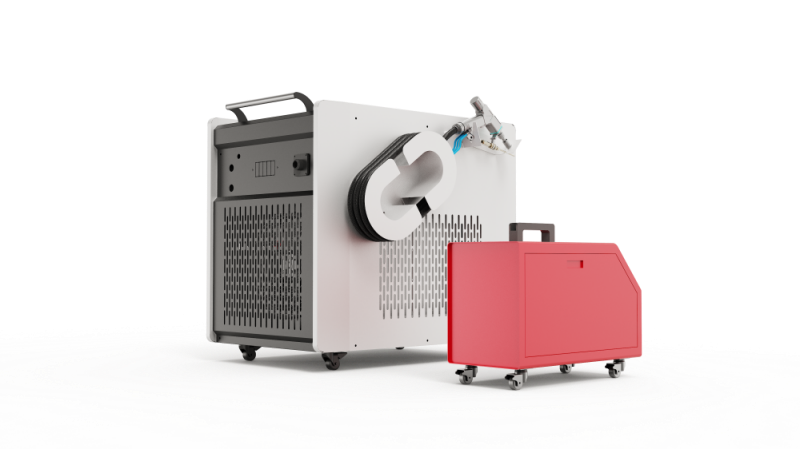
The advanced metal laser cutting machine represents a breakthrough in precision manufacturing technology, combining high-powered laser systems with sophisticated computer controls to deliver exceptional cutting performance across various metal materials. This cutting-edge equipment utilizes focused laser beams to melt, burn, or vaporize metal surfaces with remarkable accuracy, enabling manufacturers to produce intricate designs and complex geometries that traditional cutting methods cannot achieve. At its core, the advanced metal laser cutting machine employs fiber laser technology, which generates intense light energy through optical fibers doped with rare-earth elements, resulting in superior beam quality and energy efficiency. The main functions of this equipment include straight cutting, contour cutting, engraving, and piercing operations on materials such as stainless steel, aluminum, copper, brass, titanium, and various alloy compositions. Technological features distinguish this machine from conventional cutting systems, including automatic focus adjustment, real-time monitoring systems, advanced nesting software for material optimization, and integrated dust collection mechanisms to maintain a clean working environment. The control system features user-friendly interfaces with touchscreen operation, allowing operators to input designs directly from CAD files and monitor cutting progress in real-time. Applications for the advanced metal laser cutting machine span numerous industries, from automotive manufacturing where it creates precise body panels and structural components, to aerospace engineering where it fabricates lightweight yet durable aircraft parts. The medical device industry relies on this technology for producing surgical instruments and implantable devices with micro-level precision. Additionally, architectural metalwork, electronics manufacturing, signage production, and custom fabrication shops have adopted this technology to enhance their production capabilities and meet demanding quality standards while maintaining competitive pricing structures.
The advanced metal laser cutting machine delivers transformative benefits that directly impact your bottom line and operational efficiency. First and foremost, this equipment drastically reduces production time compared to traditional cutting methods like plasma cutting, waterjet cutting, or mechanical sawing. Where conventional systems might take hours to complete complex cuts, the advanced metal laser cutting machine accomplishes the same tasks in minutes, allowing your facility to fulfill more orders and respond quickly to rush requests from clients. This speed advantage translates into increased revenue potential and improved customer satisfaction ratings. The precision capabilities of this machine eliminate the need for secondary finishing operations in most applications. While traditional cutting methods often leave rough edges requiring grinding, filing, or deburring, laser cutting produces clean edges with minimal heat-affected zones, meaning parts are ready for assembly or powder coating immediately after cutting. This elimination of post-processing steps saves both labor costs and time, while reducing the risk of damaging finished parts during handling. Material waste reduction represents another significant economic advantage. The advanced metal laser cutting machine uses sophisticated nesting software that arranges cutting patterns to maximize material utilization, often achieving material savings of fifteen to thirty percent compared to manual layout methods. Over months and years of operation, these material savings accumulate into substantial cost reductions, particularly when working with expensive metals like titanium or specialty alloys. Operational flexibility gives manufacturers the ability to switch between different materials and thicknesses without changing tools or extensive machine reconfiguration. This versatility means you can accept diverse projects without investing in multiple specialized machines, reducing equipment costs and floor space requirements. The machine operates with minimal physical contact with the material, eliminating tool wear and the recurring expenses of replacing drill bits, saw blades, or punches that plague conventional fabrication equipment. Maintenance requirements are significantly lower than mechanical cutting systems because fewer moving parts mean fewer components that can fail or require adjustment. Energy efficiency is another practical benefit, as modern fiber laser technology converts electrical energy into cutting power more effectively than older CO2 laser systems or plasma cutters, resulting in lower utility bills. Worker safety improves dramatically because operators control the machine from a protected station rather than manually guiding cutting tools, reducing the risk of injuries from flying debris, sharp edges, or repetitive motion strain. The enclosed cutting area contains fumes and sparks, creating a cleaner and safer workshop environment that helps attract and retain skilled employees while maintaining compliance with workplace safety regulations.

Tips And Tricks

How Fiber Laser Cutting Machines Reduce Production Costs?

12

May

How Fiber Laser Cutting Machines Reduce Production Costs?

In the competitive landscape of industrial manufacturing, cost optimization is the bridge between a struggling workshop and a market-leading enterprise. For B2B firms specializing in metal fabrication, the equipment on the factory floor dictates the...
View More
Why CNC Laser Cutting Machines Improve Production Consistency?

12

May

Why CNC Laser Cutting Machines Improve Production Consistency?

In the modern manufacturing landscape, the transition from manual fabrication to automated systems has redefined the benchmarks for quality. For B2B industrial firms, the ability to deliver ten thousand identical parts is just as important as the abi...
View More
How to Select a Laser Metal Cutting Machine for Metal Sheets?

12

May

How to Select a Laser Metal Cutting Machine for Metal Sheets?

Selecting the right laser metal cutting machine for metal sheets requires careful evaluation of multiple technical and operational factors that directly impact cutting performance, production efficiency, and long-term profitability. The decision invo...
View More
Why Laser for Cutting Machine Technology Improves Precision?

12

May

Why Laser for Cutting Machine Technology Improves Precision?

The precision demands of modern manufacturing have reached unprecedented levels, particularly in industries where tolerances measured in microns can determine product quality and operational success. Traditional cutting methods, while functional, oft...
View More

Get a Free Quote

Our representative will contact you soon.
0/1000
Unmatched Precision and Repeatability for Complex Manufacturing Demands

Unmatched Precision and Repeatability for Complex Manufacturing Demands

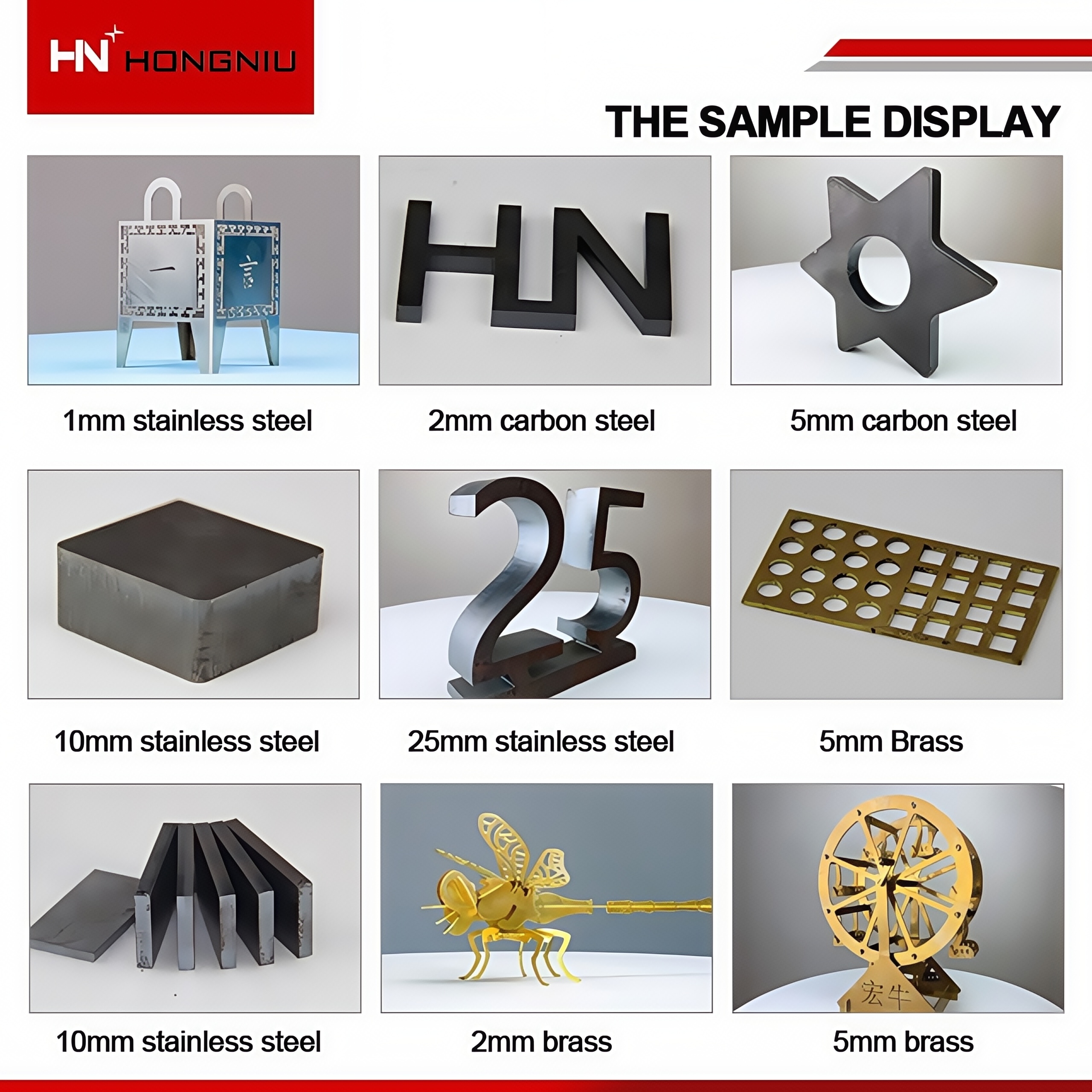
The advanced metal laser cutting machine sets new standards in manufacturing precision, delivering tolerances as tight as plus or minus 0.1 millimeters across the entire cutting bed, a level of accuracy that mechanical cutting methods simply cannot match consistently. This exceptional precision stems from the fundamental nature of laser cutting technology, which uses a focused beam of light rather than physical cutting tools that can dull, bend, or vibrate during operation. The laser beam diameter can be focused to extremely small spot sizes, often less than 0.2 millimeters, allowing the creation of intricate details, sharp internal corners, and delicate features that would be impossible with conventional punches, shears, or saws. For manufacturers producing components that must fit together perfectly, such as enclosures with precise mounting holes, brackets with exact bolt patterns, or decorative panels with intricate cutouts, this precision eliminates the costly problem of parts that do not align properly during assembly. Repeatability is equally important, and the advanced metal laser cutting machine excels in producing identical parts across production runs numbering in the thousands or even millions. Once a cutting program is perfected and saved, the machine will replicate that exact cut with the same precision on every subsequent part, eliminating the variations that occur when human operators manually guide cutting tools or when mechanical systems accumulate wear over time. This consistency is invaluable for manufacturers serving industries with strict quality control requirements, including aerospace companies that must document dimensional compliance for every component, medical device manufacturers that face regulatory scrutiny, and automotive suppliers that risk expensive recalls if parts fail to meet specifications. The precision of the advanced metal laser cutting machine also enables near-net-shape manufacturing, where cut parts require minimal or no additional machining, reducing production costs and lead times. When working with expensive materials, the ability to cut closer to final dimensions without leaving excess material for safety margins translates into significant material savings. Furthermore, the non-contact nature of laser cutting means there is no mechanical force pressing against the material, eliminating distortion problems that occur when clamps hold thin sheets or when cutting tools exert pressure that can bend or warp delicate components, making this technology ideal for working with materials as thin as 0.5 millimeters or as thick as 25 millimeters depending on laser power and material type.
Exceptional Versatility Across Materials and Design Complexity

Exceptional Versatility Across Materials and Design Complexity

One of the most compelling advantages of the advanced metal laser cutting machine is its remarkable versatility in handling diverse materials and design challenges that would require multiple specialized machines in a conventional fabrication shop. This equipment cuts through stainless steel, mild steel, aluminum, copper, brass, bronze, titanium, and various specialized alloys with equal effectiveness, requiring only adjustments to cutting parameters such as power level, cutting speed, and assist gas selection rather than physical tool changes or extensive machine reconfiguration. For fabrication shops that serve multiple industries or accept custom projects with varying specifications, this versatility eliminates the need to invest in separate cutting systems for different materials, reducing capital equipment expenses and freeing up valuable floor space for additional production capacity or workflow optimization. The advanced metal laser cutting machine handles material thickness ranges that previously required different cutting technologies, processing thin gauge materials as delicate as sheet metal for electronics enclosures while also cutting through thick plates used in structural applications, heavy equipment manufacturing, or industrial machinery fabrication. Design complexity presents no obstacles for this technology, as the computer-controlled cutting head follows programmed paths with perfect accuracy regardless of how intricate the pattern might be. Manufacturers can produce parts with hundreds of small holes, complex curves, sharp angles, and detailed cutouts in a single automated operation, whereas traditional methods would require multiple setup changes, various cutting tools, and extensive manual labor. This capability to cut complex geometries opens up new design possibilities for engineers and product developers who previously had to simplify their designs to accommodate manufacturing limitations. The machine processes parts directly from digital design files, supporting industry-standard formats such as DXF, DWG, and other CAD outputs, streamlining the workflow from design concept to finished component. This digital integration eliminates the errors that occur when manually transferring dimensions from drawings to machines and enables rapid prototyping where design iterations can be tested quickly without creating expensive tooling or fixtures. For businesses engaged in custom fabrication, architectural metalwork, or short-run production, the advanced metal laser cutting machine provides the flexibility to switch between projects rapidly, cutting a dozen parts for one customer, then immediately processing a completely different design for another client without downtime for tool changes or machine modifications, maximizing equipment utilization and enabling fabricators to accept a wider variety of profitable projects.
Smart Technology Integration and Long-Term Cost Efficiency

Smart Technology Integration and Long-Term Cost Efficiency

The advanced metal laser cutting machine incorporates intelligent technology systems that optimize performance, reduce operational costs, and provide manufacturers with competitive advantages that extend far beyond the cutting process itself. Modern systems feature adaptive cutting controls that automatically adjust parameters in real-time based on material conditions, compensating for variations in material thickness, surface conditions, or temperature fluctuations that could affect cut quality, ensuring consistent results without requiring constant operator intervention or manual adjustments. These smart systems include automatic focus positioning that adjusts the cutting head height to maintain optimal focal point position relative to the material surface, critical for achieving clean cuts across varying material thicknesses or when processing warped sheets. Integrated vision systems on advanced models can recognize material edges and pre-existing features, automatically aligning cutting programs to actual material placement rather than requiring precise manual positioning, reducing setup time and minimizing material waste from misaligned cuts. The long-term cost efficiency of the advanced metal laser cutting machine becomes apparent when evaluating total ownership costs rather than just initial purchase price. Energy consumption is significantly lower than plasma cutting systems or older CO2 laser technology, with fiber laser systems converting up to forty percent of electrical input into useful laser output compared to ten to fifteen percent efficiency for older technologies, resulting in lower utility bills that accumulate into substantial savings over years of operation. Maintenance costs remain minimal because fiber laser systems have no mirrors requiring alignment, no laser gas to replenish, and fewer consumable parts than plasma or mechanical cutting systems, with many fiber laser sources rated for operational lifetimes exceeding 100,000 hours before requiring service. The enclosed cutting environment protects the machine from dust and debris that can damage sensitive components in open cutting systems, further extending equipment lifespan and reducing unexpected downtime. Software capabilities enhance productivity through features like automatic nesting that arranges parts efficiently to minimize material waste, remnant management that tracks usable scrap pieces for future jobs, and production reporting that provides data on machine utilization, job costs, and efficiency metrics that help managers identify improvement opportunities. Remote monitoring capabilities allow technicians to diagnose issues without site visits, and some systems enable operators to start jobs remotely or receive alerts when production runs complete or problems occur, maximizing equipment utilization and enabling lights-out manufacturing for truly automated production. The investment in an advanced metal laser cutting machine delivers returns through increased production capacity, reduced labor costs, lower material waste, minimal maintenance expenses, and the ability to accept higher-margin projects requiring precision and complexity that competitors using conventional cutting methods cannot efficiently produce.